Nebraska Rabbit and Squirrel Seasons
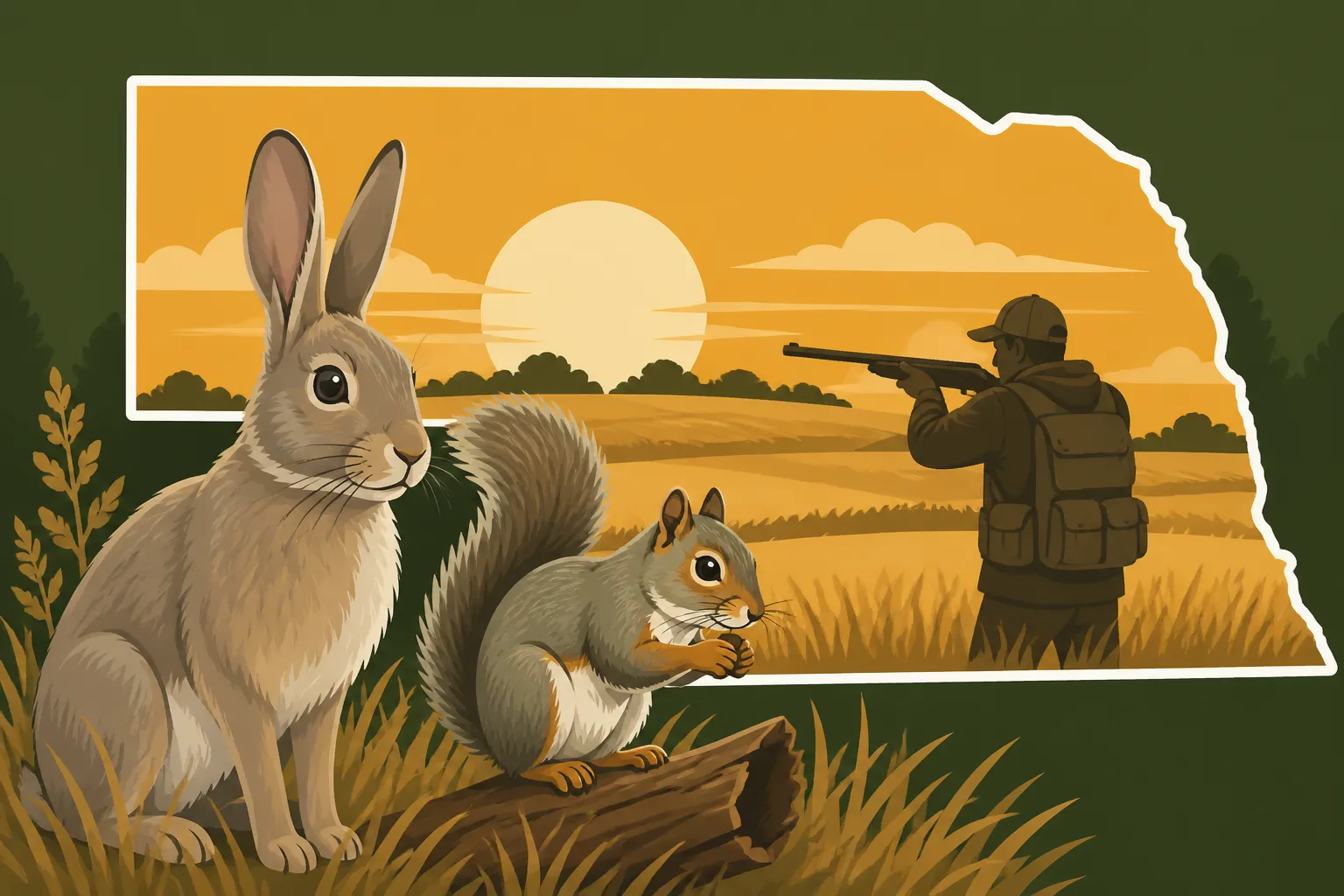
Hunting in Nebraska isn't just about chasing big whitetails or a strutting gobbler. Sometimes, you're looking for something a bit different, a chance to get out in the field without the pressure of a big game tag, or maybe even just introduce a new hunter to the joys of the chase. That's where Nebraska's rabbit and squirrel seasons really shine, offering abundant opportunities for small game enthusiasts. Many hunters overlook these seasons, thinking they're too simple or not "challenging" enough, but they provide incredible fun, delicious table fare, and fantastic ways to sharpen your skills. This guide will walk you through everything you need to know to make the most of Nebraska's small game hunting for rabbits and squirrels.
Understanding Nebraska's Small Game Seasons for Rabbits and Squirrels
When it comes to small game like rabbits and squirrels in Nebraska, the good news is that the seasons are generally quite long, giving you plenty of flexibility to get out and hunt. However, it's crucial to know the specific dates and regulations, as they can differ slightly between species and can occasionally be adjusted by the Nebraska Game and Parks Commission (NGPC). Always consult the current year's hunting guide before heading afield, but let's cover the typical framework.
Cottontail Rabbits and Jackrabbits:
Cottontail rabbits are incredibly popular across Nebraska, found in almost every corner of the state where there's adequate cover. Their season typically opens in early September and runs all the way through January 31st of the following year. This means you can pursue them in comfortable fall weather, through the thick of deer season, and into the colder depths of winter. Jackrabbits, on the other hand, are more common in the western half of the state, particularly in the Sandhills and Panhandle. Their season usually kicks off at the same time as cottontails but often extends even longer, sometimes through the end of February.
The bag limits for rabbits are pretty generous, reflecting their healthy populations. For cottontails, the daily bag limit is typically 10 rabbits, with a possession limit of 20. Jackrabbits often have the same limits. This means if you have a particularly productive day, you can put a good amount of meat in the freezer, which is a fantastic bonus for any hunter. The long season and liberal limits make rabbit hunting an excellent choice for consistent outdoor activity throughout the fall and winter months.
Fox Squirrels and Gray Squirrels:
Squirrel hunting in Nebraska offers another fantastic small game opportunity, primarily targeting fox squirrels, which are widespread across the state, and to a lesser extent, gray squirrels, primarily found in the denser timber of eastern Nebraska river bottoms. The squirrel season typically opens earlier than many big game seasons, often starting in early August and usually running through January 31st. This early start means you can be out hunting in the cool mornings of late summer, before the leaves fully change, offering a unique challenge as you try to spot them in the canopy.
The daily bag limit for squirrels is usually 7, with a possession limit of 14. While not as high as rabbits, 7 squirrels can still make for a substantial and delicious meal. Hunting squirrels often requires a keen eye and a patient approach, making it a wonderful way to hone your woodcraft skills. As the season progresses into fall, the leaves begin to drop, which can make spotting squirrels easier, but also makes them more aware of your presence. Then, into winter, they can be found foraging on the ground or holed up in dens, presenting different challenges and opportunities.
Key Season Dates and Limits at a Glance
To help keep things straight, here’s a quick overview of typical Nebraska small game seasons. Remember, these are general guidelines, and it's always best to verify with the official NGPC regulations annually.
| Species | Typical Season Dates | Daily Bag Limit | Possession Limit |
|---|---|---|---|
| Cottontail Rabbit | September 1 – January 31 | 10 | 20 |
| Jackrabbit | September 1 – February 28 | 10 | 20 |
| Fox & Gray Squirrel | August 1 – January 31 | 7 | 14 |
Note: Always consult the current year's Nebraska Game and Parks Commission hunting guide for exact dates and regulations, as they are subject to change.
Permits, Licenses, and Public Access for Small Game in Nebraska
Before you even think about heading out to chase rabbits or squirrels, you need to make sure your paperwork is in order. Nebraska has clear requirements for hunters, and small game is no exception. It’s not just about having the right permit; it’s also about understanding where you can legally hunt.
Required Permits and Licenses:
To hunt any game in Nebraska, including small game, you'll need a valid Nebraska Annual Hunt Permit. This is the foundational license for all hunting activities in the state. Beyond that, you'll also need a Nebraska Habitat Stamp. This stamp is vital; the funds generated from its sale go directly towards habitat development and conservation projects across the state, which ultimately benefits all wildlife, including the rabbits and squirrels you're pursuing. For young hunters, those under 16 often have reduced fees or specific youth permits, making it more accessible to get started. Don't forget, if you were born on or after January 1, 1977, you'll need to have successfully completed a certified Hunter Education course, or possess a Nebraska Apprentice Hunter Certificate if hunting under the direct supervision of an experienced hunter. You can often purchase all the necessary permits and stamps online through the Nebraska Game and Parks website, making the process quite convenient.
Finding Public Land Opportunities:
One of the biggest hurdles for any hunter, especially those new to an area, is finding a place to hunt. Fortunately, Nebraska offers a fantastic resource for this: the Nebraska Public Access Atlas. This invaluable tool, available as a physical map book, a downloadable PDF, and a mobile app, details thousands of acres of public and publicly accessible private land throughout the state. It clearly marks areas managed by the NGPC, like Wildlife Management Areas (WMAs), as well as private land enrolled in programs like Open Fields and Waters (OFW).
When you're looking for rabbit and squirrel habitat, you'll want to pay close attention to the Atlas. Many WMAs and OFW tracts offer excellent small game opportunities. For rabbits, look for areas with dense brush, overgrown fence lines, cedar thickets, and areas adjacent to agricultural fields. For squirrels, focus on timbered river bottoms, mature oak and hickory stands, and urban or suburban parks where hunting might be permitted (always check local ordinances). A powerful mapping tool like GoHunt can also be an incredible asset for scouting, especially when paired with the Public Access Atlas. Its detailed satellite imagery and property boundary overlays can help you identify prime habitat and plan your entry and exit routes on flat farm ground even before you step foot in the field. Remember to always respect private property and the Nebraska trespass and permission law; if it's not clearly marked public or OFW, assume it's private and obtain permission.
Essential Gear and Tactics for Nebraska Rabbit Hunting
Rabbit hunting in Nebraska is an exhilarating experience that can be as simple or as involved as you make it. Whether you're walking vast expanses of grassland or working dense pockets of cover, having the right gear and a solid strategy will make all the difference.
Firearms and Ammunition:
For rabbit hunting, shotguns are generally the weapon of choice. A 12-gauge or 20-gauge shotgun loaded with lead shot in sizes like 6 or 7 ½ is perfect for cottontails. These loads provide an excellent pattern for quick-flushing rabbits and enough stopping power without over-damaging the meat. When hunting in certain areas, particularly some Wildlife Management Areas or Federal Waterfowl Production Areas, nontoxic shot might be required, so always double-check local regulations. For jackrabbits, which are larger and often flush at greater distances, you might consider slightly larger shot, like 4s or 5s, or even a .22 rifle if you're comfortable with precise shots in open terrain. However, the shotgun remains king for the unpredictable flush.
Clothing and Footwear:
You'll be doing a lot of walking, often through thick cover and across uneven terrain. Durable brush pants are a must to protect your legs from thorns, briars, and abrasive vegetation. A good upland vest with plenty of pockets for shells, water, and harvested game is also highly recommended. In Nebraska, during certain periods, particularly when other firearm seasons are open, blaze orange requirements for archers in November or for general firearm hunters come into play, so make sure you're compliant. Even outside of mandatory orange periods, wearing some blaze orange is always a good safety practice, especially when hunting with others or in areas where other hunters might be present. Comfortable, supportive boots are crucial for walking Nebraska grass and sand. Waterproof boots are a plus, especially if you anticipate dewy mornings or wet cover.
Tactics for Success:
- Walking Cover: This is the most common and often most effective method for cottontails. Simply walk through dense cover, like overgrown creek bottoms, shelterbelts between Nebraska fields, brush piles, tall grass fields, or plum thickets. Rabbits will often hold tight until you're right on top of them before flushing. Walk slowly, scanning ahead, and be ready to shoulder your shotgun quickly. This strategy is fantastic for a solo hunt or with one or two companions.
- Hunting with Dogs: For many, rabbit hunting isn't complete without a good beagle. Beagles excel at trailing and flushing rabbits, making for exciting chases and often leading to more consistent success. If you're hunting with a dog, ensure it's well-trained and that you're familiar with regulations regarding dog use on public lands. Remember to carry water for your canine companion, especially on warmer days.
- Rabbit Drives: In larger, denser areas, organizing a small drive can be very effective. A couple of hunters walk through a block of cover, pushing rabbits towards "blockers" positioned at the other end. This works well in thick cedar draws or large CRP fields. Communication is key for safety and success in this scenario.
- Still-Hunting Edges: Rabbits often feed in open areas, especially at dawn and dusk, but retreat to dense cover during the day. Focusing your efforts along the edges where these two habitat types meet can be very productive. Walk quietly along the edge of a cornfield or milo stubble adjacent to a brushy ditch, paying close attention to any movement.
Strategies for Successful Squirrel Hunting in Nebraska
Squirrel hunting might seem less active than rabbit hunting, but it demands patience, keen observation, and stealth. It’s an excellent way to practice your stalking and marksmanship skills, often in some of Nebraska’s most scenic timber.
Firearms and Ammunition:
For squirrels, you have a couple of excellent options. A .22 caliber rimfire rifle (or even a .17 HMR) is a favorite for many squirrel hunters. It offers precision, quiet operation, and minimal meat damage. Using solid point ammunition is usually preferred to hollow points for cleaner kills. A small shotgun, like a .410 or 20-gauge with light loads (7 ½ or 8 shot), is also very effective, particularly in denser cover or for quicker shots at moving targets. The choice often comes down to personal preference and hunting style. If you're aiming for headshots with a rifle, you'll get more intact meat, but a shotgun is more forgiving.
Optics and Apparel:
While not strictly necessary, a good pair of binoculars (8x or 10x) can be invaluable for spotting squirrels high in the trees or distinguishing them from leaves. Many hunters also appreciate a small day pack to carry water, snacks, extra ammunition, and any harvested squirrels. As with rabbit hunting, comfortable, quiet clothing that blends with the environment is important. Camouflage patterns are a good choice to help you disappear into the woods. During the early season, light, breathable fabrics are best, transitioning to layers for colder late-season hunts.
Tactics for Success:
- Still-Hunting and Spotting: This is arguably the most traditional and rewarding method. Move slowly and deliberately through the woods, pausing frequently to scan the trees and forest floor. Look for movement, listen for the tell-tale "bark" of a squirrel, or the rustle of leaves as they forage. The early morning and late afternoon are often the best times, as squirrels are most active then. Focus on areas with mature nut-bearing trees like oaks, hickories, and walnuts, which provide critical food sources.
- Sitting and Waiting (Ambush): Find a comfortable spot near a productive feeding tree or den tree, and simply wait. Squirrels are often curious and will eventually emerge if you remain still and quiet. This strategy works particularly well if you've scouted an area and know where squirrels are concentrated.
- Bark and Bushytails: Don't just look at the canopy; many fox squirrels spend a surprising amount of time on the ground, especially in the fall when they are burying nuts. Pay attention to the base of trees and any logs or fallen timber where they might be foraging.
- Calling: While less common for squirrels than other game, some hunters use squirrel calls to entice curious bushytails to reveal themselves. A simple bark or chatter call can sometimes make a shy squirrel poke its head out from behind a tree.
- Late Season Challenges: As the season progresses and temperatures drop, squirrels often become less active, spending more time in their dens. Hunting after a fresh snowfall can be excellent, as tracks can lead you right to their winter homes, and the quiet landscape makes it easier to hear their movements. This is a great time to implement still-hunting a snow-covered river bottom for both squirrels and rabbits. A good mapping application on your phone, like those offered by GoHunt, can also help immensely in the timber to identify specific tree species or terrain features that might concentrate squirrels.
Remember, small game hunting in Nebraska is about enjoying the outdoors, honing your skills, and bringing home some delicious, wild table fare. It's an accessible and often overlooked opportunity for hunters of all experience levels.
Disclaimer
Please note that hunting regulations, season dates, and permit requirements can change. Always consult the most current Nebraska Game and Parks Commission regulations and guides before planning any hunting trip. This article is for informational purposes only and should not be considered legal advice.