When Nebraska’s Late Antlerless Hunts Run
The calendar pages flip past November's firearm frenzy and the crisp chill of December's muzzleloader season, and many hunters start to feel that familiar ache: the season is winding down, but the freezer isn't quite full, or maybe you just haven't had enough time afield. You might be wondering if there are any lingering chances to tag a deer. The good news is that Nebraska offers specific late antlerless deer hunts that can be a fantastic opportunity to extend your season, fill your tag, and enjoy the quiet beauty of a winter hunt. This guide will walk you through exactly when these valuable opportunities run and what you need to know to make the most of them.
Understanding Nebraska's Late Antlerless Hunts
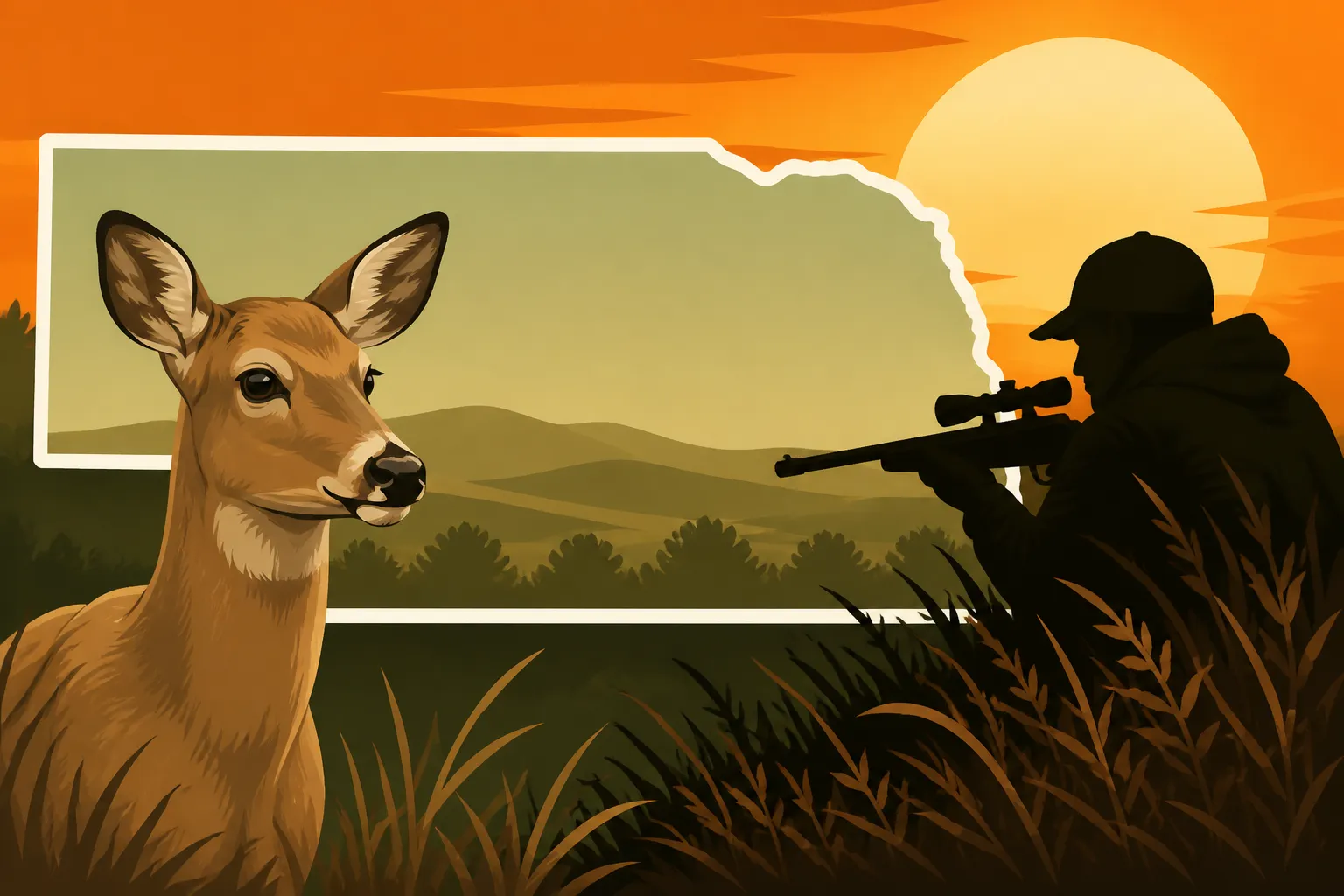
Nebraska's late antlerless deer hunts aren't just an afterthought; they're a crucial part of the state's deer management strategy, offering hunters additional opportunities while helping to balance herd populations.
The Rationale Behind Extended Seasons
You might ask, "Why do they keep opening new seasons after the main ones close?" It's a fair question, and the answer lies in effective wildlife management. The Nebraska Game and Parks Commission (NGPC) utilizes late antlerless seasons for several key reasons. Primarily, these hunts are designed to manage local deer populations, especially in areas where deer numbers are high, leading to increased crop damage for farmers or elevated deer-vehicle collisions. By targeting antlerless deer – does and fawns – the state can directly impact the reproductive potential of the herd, helping to stabilize or reduce populations in specific zones without affecting the buck-to-doe ratio too dramatically for future seasons.
Secondly, these extended seasons provide valuable opportunities for hunters. Perhaps you didn't fill your tag during the primary seasons, or maybe you're looking to stock your freezer with venison after the holidays. For many, it's also a chance to introduce new hunters to the sport in a less pressured environment, focusing on the fundamentals of hunting without the intense focus on trophy animals. These hunts are a testament to how the NGPC tries to balance the needs of the ecosystem with the desires of its hunting community.
Distinctions from Earlier Deer Seasons
While it's still deer hunting, the late antlerless seasons come with their own set of characteristics that set them apart from the frantic pace of the "Nebraska's Nine-Day November Firearm Deer Season" or the earlier archery opener. The most significant difference is, of course, the target: antlerless deer only. This means you're explicitly looking for does or fawns, not bucks. This can shift your hunting strategy entirely, as you're no longer focused on rutting behavior or trophy quality.
Another key distinction often lies in the available units and permit types. While some earlier seasons might offer "any deer" tags, late antlerless hunts are typically unit-specific antlerless permits, meaning they are only valid for a specific geographic area and for antlerless deer. This specificity is directly tied to the population management goals mentioned earlier. Weather conditions are also a major factor. You're no longer dealing with the mild temperatures of early archery or even the cool crispness of late fall. January brings truly cold weather, potential snow, and shorter daylight hours, which means different gear and tactics are essential. Finally, hunter numbers can vary; some areas might see less pressure, while easily accessible public lands might still draw a crowd, especially on weekends.
Who Can Take Advantage of These Opportunities
These late-season hunts are a fantastic boon for a wide variety of hunters. For Nebraska residents, they represent an excellent chance to add more venison to the freezer or to try hunting a new area. If you've been working hard all year and haven't had much time to hunt, these late windows can be your last shot.
Non-residents also have opportunities, though securing permits often requires being quick on the draw when they become available. Many non-residents, particularly those who enjoy the challenge of hunting different terrains, find these late hunts appealing. It's a more relaxed pace than the intense primary seasons, often with less competition.
Youth hunters can also greatly benefit. The focus on antlerless deer, coupled with colder weather that often simplifies deer movement patterns, can make for a great learning experience. It's an opportunity to teach tracking in snow, cold-weather preparedness, and the importance of accurate shot placement without the added pressure of buck fever. It's truly an opportunity for anyone looking for one more outdoor adventure and some fresh meat for the table.
Key Dates, Permits, and Regulations for January Antlerless Hunts
When you're looking at extending your deer season into the new year, the January Antlerless Season is probably what you have in mind. It's a crucial window, and understanding its specifics is paramount.
Unpacking the January Antlerless Season
The January Antlerless Season in Nebraska is typically a short but impactful window designed to reduce deer populations in specific areas. While exact dates can shift slightly year-to-year based on the Nebraska Game and Parks Commission's calendar, it generally opens on January 1st and runs through mid-January, often concluding around the 15th. This might not sound like a long time, but with the right preparation and a bit of luck, it's more than enough time to get a deer.
The critical aspect here is that this season is unit-specific. Not every deer management unit in Nebraska participates in the January Antlerless Season. The NGPC targets units where deer populations are above management objectives or where localized issues like crop damage are more prevalent. These units often include parts of eastern Nebraska's agricultural areas and some central units. It's absolutely vital to check the current year's Nebraska Big Game Guide or the NGPC website for the precise list of units eligible for the January Antlerless season. Don't assume your favorite hunting spot from November is automatically open for this hunt.
Securing Your Antlerless Permit
Unlike the lottery system for some of the more coveted permits, permits for the January Antlerless season are typically sold over-the-counter (OTC). This means you don't have to go through a draw process; you can simply purchase them directly. However, "OTC" doesn't mean "unlimited" or "always available." These permits are often released for sale in the preceding months (sometimes as early as July or August for the following year's season), and while they might not sell out as quickly as nonresident statewide buck tags, they can disappear fast, especially for popular units or when "When Over-the-Counter Permits Go on Sale" is announced.
For non-residents, securing these permits requires even more vigilance. Nebraska has limits on how many nonresident deer permits are sold annually across all seasons. While the January Antlerless permits might have more availability than prime season tags, it's still a good idea to act quickly once they become available. Resources like the Nebraska Game and Parks website are your primary source for availability, but many hunters also rely on resources like GoHunt to keep track of application periods and permit availability, especially for those hard-to-get tags or for monitoring trends in "Nebraska Antlerless Permit Availability by Unit." Don't wait until December to check; plan ahead!
Legal Equipment for Late-Season Success
The January Antlerless season is quite accommodating when it comes to legal weapon types, often allowing a variety of methods. Hunters can typically use:
- Archery Equipment: Traditional bows, compound bows, and crossbows are usually permitted. If you're using a crossbow, make sure you understand the specific "Nebraska Crossbow Rules and Use in Nebraska" regarding permits or age requirements.
- Muzzleloaders: Black powder rifles are a popular choice for their range and traditional appeal. Just like with the general "Muzzleloader Deer Hunting in Nebraska in December" season, you'll need to adhere to specific caliber and projectile regulations.
- Shotguns: Shotguns loaded with slugs are a very common and effective choice, especially in denser timber or areas with limited visibility.
- Straight-Wall Cartridge Rifles: Nebraska has embraced the use of straight-wall cartridge rifles for deer hunting. These are often modern sporting rifles chambered in cartridges like .45-70 Gov't, .44 Magnum, .350 Legend, or .450 Bushmaster. This allows for a more rifle-like hunting experience in units where traditional bottleneck rifle cartridges might be restricted. Ensure you're familiar with the "Straight-Wall Cartridge Rules in Nebraska" to confirm your firearm is legal.
Before heading out, always double-check the current year's regulations for any changes or unit-specific restrictions on weapon types. Having the right tool for the job, and knowing it's legal, is the first step to a successful hunt.
Beyond January: Other Antlerless Deer Management Options
While the January Antlerless season is the most prominent late-season opportunity, Nebraska employs other strategies that can offer additional chances for hunters to pursue antlerless deer. These often serve very specific management goals and operate under their own unique sets of rules.
Urban and Special Management Zone Hunts
As deer populations have grown in many areas, so has the presence of deer in suburban and even urban environments. This can lead to increased deer-vehicle accidents, landscaping damage, and other conflicts. To address these issues, the NGPC, sometimes in conjunction with local municipalities, establishes "Urban Deer Management Hunts."
These hunts are highly localized and typically have very specific boundaries, often encompassing areas around cities like Omaha or Lincoln, or other designated special management zones. The rules for these hunts can differ significantly from general statewide regulations. They might have unique application periods, specific weapon restrictions (often archery or shotgun-only for safety reasons), and even different legal shooting hours. For instance, some urban hunts might require specific landowner permission within city limits or mandate participation in a draw system that is separate from the statewide permit lottery. It's crucial to check the NGPC website and local city ordinances for any urban hunting programs, as they are often announced separately and have strict enrollment requirements. These hunts are a fantastic way to contribute to community safety while getting some quality venison.
Depredation Permits and Landowner Tags
Agriculture is the lifeblood of Nebraska, and when deer populations get too high, they can cause significant damage to crops, costing farmers thousands of dollars. To help mitigate this, the NGPC issues depredation permits. These are special permits given to landowners who are experiencing severe crop or property damage from deer. While these permits are primarily for the landowner or individuals they designate, they sometimes create unique, albeit limited, hunting opportunities.
A landowner might receive a certain number of antlerless depredation tags for their property. They can then use these themselves or allow trusted hunters to fill them. Gaining access to hunt under a depredation permit is usually by direct contact and relationship-building with a landowner. It's not something you apply for directly as a general hunter, but it's an important aspect of deer management to be aware of. Similarly, Nebraska also has "Landowner Deer Permits in Nebraska" available during regular seasons, which are specific permits designed to provide opportunities to those who own agricultural land. While not strictly "late-season," understanding how these permits function highlights the state's comprehensive approach to managing its deer herd alongside agricultural interests.
Archery Season's Enduring Appeal
Even after the firearms seasons have long closed, Nebraska's general archery deer season offers surprisingly long-lasting opportunities for antlerless deer. The archery season is notably extended, often running from September through the end of the year, and for some antlerless permits, it might even stretch into early January, overlapping directly with the dedicated January Antlerless firearm/muzzleloader season. You can see the full scope on the "Nebraska Archery Deer Season Dates" page.
This means that if you hold an unfilled archery deer tag (which might be an "any deer" or an antlerless-only permit), you still have a chance to fill it well into the colder months. While the excitement of the rut is long gone, late-season archery hunting presents its own set of challenges and rewards. Deer behavior is much more predictable, centered almost entirely around food sources and thermal cover. For a dedicated bowhunter, it’s a quiet, serene, and often very productive time to be in the woods or fields, especially if you're targeting that final antlerless deer for the year. Just remember to adhere strictly to your specific archery permit type – antlered or antlerless – and the unit it's valid for.
Mastering the Art of Late-Season Antlerless Hunting
Successfully pursuing antlerless deer in late season Nebraska requires a shift in mindset and tactics. Gone are the days of rattling in a rutting buck or hoping for a random encounter. Now, it's about precision, patience, and understanding the winter landscape.
Decoding Winter Deer Movement
In the dead of winter, deer behavior is simplified and driven by two primary needs: food and thermal cover. The rich, varied buffet of fall has vanished, replaced by a scarcity of high-energy forage. This means deer will concentrate heavily on any remaining food sources that provide critical calories. Think about standing corn fields, bean fields (even if picked, they offer residual protein), milo stubble, and even winter wheat fields. These agricultural areas become magnets for deer. This is why understanding "Late-Season Food Sources in Nebraska" is absolutely critical.
Beyond food, thermal cover is paramount. When temperatures drop and the wind howls across the Nebraska plains, deer seek shelter to conserve energy. Look for thick cedar draws, dense river bottoms with thickets of multiflora rose or cottonwoods, and south-facing slopes that catch more sunlight. These areas provide a reprieve from the biting cold and wind. Deer will often yard up in these protected spots, moving out only to feed. Being able to identify "Where Deer Yard Up in a Nebraska Winter" will give you a significant advantage. Learning to read these patterns – where they bed, their travel routes to food, and how they react to weather changes – is key to late-season success. Snow can be your best friend here, as it clearly reveals trails and feeding areas.
Essential Scouting and Access Strategies
Scouting for late-season antlerless hunts is different from earlier in the year. With most leaves off the trees and snow often on the ground, visibility is generally better, but deer sign can also be older and harder to differentiate. Focus your efforts on glassing large agricultural fields from a distance, ideally at dawn and dusk, to identify where deer are entering and exiting. Look for heavily used trails leading into thermal cover.
Aerial maps are invaluable. Services like GoHunt Insider mapping platform can be invaluable for identifying potential food sources and thermal cover. Use them to pinpoint standing crops, thick draws, and areas with good south-facing protection. Once you've identified potential spots, a boots-on-the-ground check for fresh tracks, droppings, and browsed vegetation will confirm deer activity.
Accessing hunting land during the late season also presents unique challenges. Many hunters might have packed it in, but public lands can still see pressure, especially on weekends. Utilize resources like the "Nebraska Public Access Atlas" to find public hunting opportunities, including Wildlife Management Areas (WMAs) and Open Fields and Waters tracts. For private land, cold weather and the need for herd management can sometimes make landowners more amenable to granting permission, especially if you're offering to harvest antlerless deer. Always be respectful, clearly state your intentions (antlerless deer only), and offer to share some of the venison.
Gear and Tactics for Cold Weather Comfort
Hunting in January means battling the elements. Staying warm and dry is not just about comfort; it's about safety and effectiveness.
- Layering is King: Forget bulky coats. Think multiple layers that you can add or subtract. Start with a moisture-wicking base layer, add insulating mid-layers (fleece or down), and top it off with a windproof and waterproof outer shell. "Wind-Blocking Outerwear for the Plains" is not optional; it's essential.
- Insulated Footwear: Your feet will get cold standing or sitting for extended periods. Invest in high-quality, insulated, waterproof boots. Consider toe warmers for extra comfort.
- Hand Warmers: These small packets can make a huge difference, especially if you're using a bow or muzzleloader where finger dexterity is crucial.
- Face Protection: A balaclava or face mask will prevent frostbite and help you stay concealed.
- Stand/Blind Choice: If you're hunting an open field edge, a well-brushed-in "Ground Blinds in Open Nebraska Country" will offer significant protection from the wind and cold. If hunting timber, a treestand setup should be chosen with wind direction in mind, and you'll need to prepare for long sits. This is where "Cold Weather Sitting Strategy" really comes into play. Consider portable heaters for blinds, if allowed and safe.
Tactically, patience is key. Deer movement is often concentrated during specific times, especially around dawn and dusk, but also during midday as they move from bedding to feeding. Still-hunting through thick cover, especially when there's a fresh blanket of snow, can be incredibly effective. Move slowly, scan constantly, and be ready for a shot. Remember, deer are trying to conserve energy, so they're often less spooky than during the rut, but still incredibly alert.
Nebraska Late Antlerless Deer Hunting Opportunities
| Season Name | Typical Dates | Eligible Weapon Types | Permit Type | Key Considerations |
|---|---|---|---|---|
| January Antlerless Deer | Jan 1 – Jan 15 | Archery, Muzzleloader, Shotgun, Straight-Wall Rifle | Unit-Specific Antlerless | Focus on specific units; often OTC, but check early. |
| Extended Archery Season | Through Dec/Early Jan | Archery, Crossbow | Any Archery Deer Tag | Overlaps with Jan. antlerless in some units. |
| Urban Deer Management | Varies by location | Varies (often Archery/Shotgun) | Special Draw/OTC | Highly localized, check specific city/county programs. |
| Depredation/Landowner | Varies by need | Varies (often Rifle) | Special | Access typically requires landowner permission. |
Remember, whether you're looking for information on "Which Units Have January Antlerless Hunts" or trying to understand overall deer trends, platforms like GoHunt compile a wealth of data for serious hunters. Before heading out, it’s wise to double-check regulations on the Nebraska Game and Parks website, and cross-reference with mapping tools like those offered by GoHunt to ensure you're hunting legally and effectively. These late-season opportunities are a fantastic way to cap off your hunting year or kickstart the new one.
Disclaimer
Please note: Hunting regulations and season dates are subject to change. Always consult the official Nebraska Game and Parks Commission website or their annual Hunting Guide for the most current and accurate information before planning any hunt. This guide is for informational purposes only and should not be considered a substitute for official regulations.