Nebraska Antlerless-Only Deer Permits
Navigating the world of deer permits in Nebraska can feel like cracking a complex code, especially when you're trying to figure out the best way to extend your hunting season, put some venison in the freezer, or simply help manage the local deer population. Many hunters get frustrated by the limited availability of "any deer" tags or the intense competition for those coveted buck permits. This comprehensive guide is here to demystify Nebraska's antlerless-only deer permits, explaining what they are, how to get them, and how to effectively use them to enhance your hunting experience.
Understanding Nebraska Antlerless-Only Deer Permits
Let's be honest, sometimes the focus in deer hunting leans heavily towards bagging a big buck, and that's completely understandable. But overlooking antlerless-only permits means missing out on a huge part of the Nebraska deer hunting experience. These permits are crucial for both hunters and the overall health of our deer herds.
What "Antlerless-Only" Truly Means
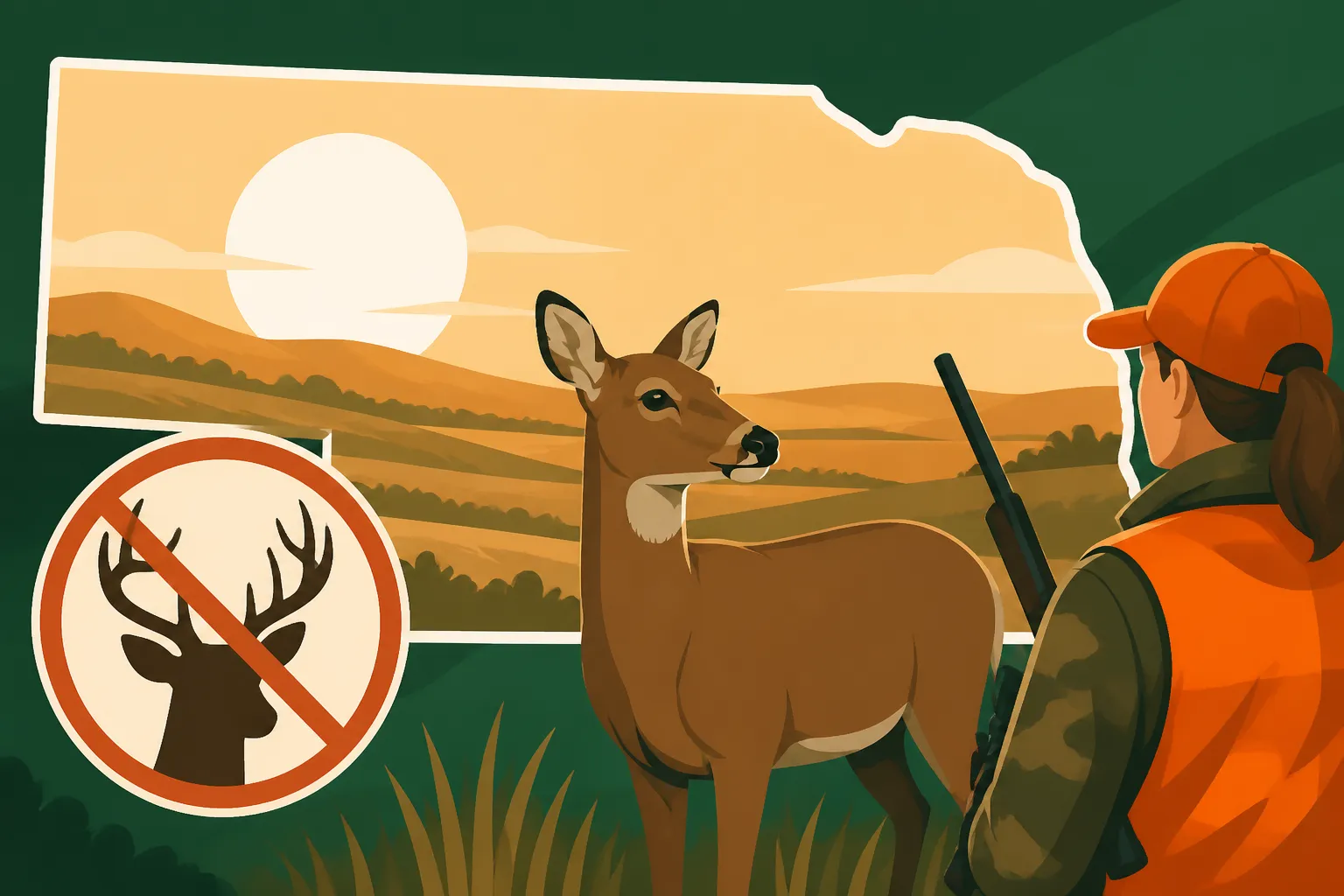
When you see "antlerless-only" on a permit, it means exactly what it sounds like: you're authorized to harvest a deer without antlers. This primarily includes does and fawns. Now, sometimes you might encounter a button buck, which is a male fawn whose antlers haven't developed beyond small "buttons" or bumps. In Nebraska, a button buck is typically considered antlerless if its antlers are less than six inches in length, measured from the skull. It's vital to be absolutely sure of your target before you pull the trigger, as mistaking a legal antlered deer for an antlerless one can lead to serious violations.
These permits are a cornerstone of modern deer management. While they might not offer the same "trophy" appeal, they provide invaluable opportunities to get out in the woods, hone your skills, and connect with nature, all while contributing to a healthy deer population.
The Purpose Behind Antlerless-Only Permits
The Nebraska Game and Parks Commission doesn't just issue these permits to give hunters more chances to be afield, although that's certainly a welcome byproduct. The primary driver is deer management. In many areas of Nebraska, deer populations can grow quite dense, leading to a variety of issues. Overpopulation can result in habitat degradation, increased vehicle collisions, and significant crop damage for our hardworking farmers.
Antlerless harvest helps keep deer numbers in check, ensuring that the remaining herd has adequate food and resources, which in turn leads to healthier animals overall. It also plays a critical role in balancing the buck-to-doe ratio. When there are too many does relative to bucks, the rut can be less intense and drawn out, and fawn survival rates might even decrease due to nutritional stress. By selectively harvesting antlerless deer, the state aims to maintain a more balanced sex ratio, which promotes a healthier, more predictable rut and stronger fawns. These permits are a key tool in maintaining a sustainable deer population for future generations.
Different Permit Types and Their Restrictions
It’s easy to get lost in the jargon, but understanding the various Nebraska Deer Permit Types by Unit is essential. While this guide focuses on antlerless-only, it's worth noting how they fit into the broader system. You have your standard "Any Deer" permits, which allow you to harvest one deer of either sex, sometimes with specific antler point restrictions in place, particularly for mule deer in certain units. Then there are "Antlerless-Only" permits, which are exactly what we're discussing.
These antlerless permits are often unit-specific, meaning they are only valid in the designated Deer Management Unit where you purchased them. This allows the state to fine-tune harvest goals based on localized deer populations. Some units might have ample antlerless permits available all season, while others, particularly those with higher pressure or more sensitive deer populations, might be limited. It’s important to read the regulations carefully for your specific unit, as restrictions can also vary by weapon type (archery, firearm, muzzleloader) and season dates.
Navigating the Application and Acquisition Process
Getting your hands on an antlerless-only permit in Nebraska is generally less competitive than drawing a highly sought-after buck tag, but there are still processes and timelines you need to be aware of.
When and How to Apply for Antlerless Permits
For many antlerless-only deer permits, especially in certain units, you don't actually have to go through the intense draw process that happens in June for more limited "any deer" or "buck-only" tags. A significant number of antlerless-only permits become available over-the-counter (OTC) after the main draw results are posted, usually starting in July. This is great news for hunters who might miss the draw deadline or prefer the flexibility of purchasing a permit later in the year.
To acquire one, you'll typically head to the Nebraska Game and Parks Commission website. Their online permit system is usually straightforward, allowing you to select your desired unit and permit type. It's always a good idea to check the official "Permits and Fees" section on the NGPC website as the season approaches, just to be sure of the exact dates when these permits go on sale. Websites like GoHunt can also be invaluable resources, providing up-to-date information on application deadlines and availability, which can change rapidly.
Understanding Unit Availability and Quotas
This is where things can get a little tricky, and it’s a point of frustration for many hunters. While many antlerless permits are OTC, their availability is not endless. Each Deer Management Unit has a specific quota set by the Nebraska Game and Parks Commission based on population objectives. Once those quotas are met, permits for that unit are gone. This means that highly popular or easily accessible units might sell out quickly, especially early in the season or right after the initial OTC launch.
It's crucial to regularly check the NGPC website for real-time updates on permit availability by unit. If your preferred unit is sold out, don't despair! There are often other units, perhaps a short drive away, that still have permits. Keep an eye out for "Late-Season Antlerless Hunting in Nebraska" opportunities, as some units might have permits reserved for later hunts or even additional permits released if initial harvest goals aren't met. Being flexible with your hunting location can significantly increase your chances of securing a permit.
Over-the-Counter Opportunities and Late-Season Sales
The beauty of many antlerless-only permits is their accessibility. Unlike drawing a tag for a specific unit like the Sandhills Any Deer Draw Odds, many antlerless permits are simply purchased directly, much like buying a fishing license. This opens up tremendous opportunities for both resident and nonresident hunters.
As the season progresses, particularly after the nine-day November firearm season, you'll often see more permits become available for late-season hunts. These often coincide with the December Muzzleloader Deer Hunting in Nebraska in December season and even into January. These late-season opportunities are fantastic for filling the freezer when deer are often concentrated on specific food sources due to colder weather. Don't underestimate these permits; they offer some of the most consistent deer hunting experiences and are a great way to extend your time afield without the high pressure of prime buck seasons. Just remember to check the specific dates and units, as they can vary.
| Permit Type | Primary Season(s) | Typical Availability | Resident Cost (approx.) | Nonresident Cost (approx.) |
|---|---|---|---|---|
| Antlerless-Only Deer | Archery, Firearm, Muzz, Late | OTC (July onwards), Unit-Specific | $25-30 | $140-150 |
| Statewide Whitetail Buck | Archery, Firearm, Muzz | Draw (June), then OTC (limited) | $30-35 | $350-360 |
| Any Deer | Archery, Firearm, Muzz | Draw (June), very limited OTC | $30-35 | $350-360 |
| Youth Deer | Archery, Firearm, Muzz | OTC (May onwards) | $8-10 | $8-10 |
Note: All costs are approximate and do not include the required Nebraska Habitat Stamp and annual hunt permit fee. Always check the official Nebraska Game and Parks Commission website for the most current prices and regulations.
Tactical Advantages of Antlerless Permits in the Field
While the allure of a trophy buck is undeniable, antlerless permits offer practical advantages that can significantly enrich your overall hunting season, turning frustrations about limited buck tags into opportunities.
Expanding Your Hunting Calendar and Opportunities
One of the most immediate benefits of an antlerless-only permit is the sheer length of your hunting season. Unlike the highly specific and often short windows for buck hunting in certain units, antlerless permits frequently open up opportunities across multiple seasons. You can use them during the early archery season, often throughout the entire Nebraska's Four-Month Archery Deer Season, right through the general firearm season, the late muzzleloader season, and even into January for dedicated antlerless-only hunts. This means more days in the field, more chances to scout, and more experience gained throughout different weather patterns and deer behaviors.
For many hunters, especially those with busy schedules, having these extended options makes deer hunting much more accessible. You don't feel the crushing pressure of a single-weekend buck tag; instead, you have the flexibility to pick and choose your days based on weather, family commitments, or simply when the deer activity is peaking. It's about maximizing your time enjoying the outdoors.
Filling the Freezer and Providing Meat
Let's get down to brass tacks: venison is delicious, healthy, and a fantastic way to feed your family. The primary, tangible benefit of an antlerless-only permit is the ability to consistently put high-quality meat on the table. For many families, this isn't just a bonus; it's a significant contribution to their annual food supply. With an antlerless permit, the pressure of "trophy hunting" is often alleviated, allowing you to focus on ethical harvest and efficient meat processing.
This pragmatic approach can be incredibly rewarding. You're not just hunting; you're actively participating in sustainable food sourcing. There's a deep satisfaction that comes from knowing exactly where your food comes from and the effort you put into acquiring it. Plus, having a freezer full of venison means less reliance on store-bought meat, which can be a real boon for the budget, especially these days. It takes the stress out of the hunt and puts the focus back on providing.
Scouting and Learning New Areas
Think of antlerless hunts as low-pressure scouting missions. When you're not solely focused on finding a trophy buck, you can spend more time observing deer movement, identifying key travel corridors, and understanding the nuances of a new piece of ground. These permits are perfect for exploring new public hunting areas or gaining access to private land where landowners might be hesitant to allow buck hunters but are eager for assistance with herd management.
Imagine spending a late-season January hunt scouting a creek bottom you've never explored, noting where deer are bedding in a Nebraska winter, and discovering a hidden food source. This knowledge will be invaluable for future seasons, especially when you're hunting for a mature buck. You can learn so much about deer behavior and habitat use without the added stress of "having" to find a specific type of deer. It's an investment in your future hunting success, and a great way to expand your understanding of White-Tailed Deer Across Nebraska and even Mule Deer in the Nebraska Sandhills and Panhandle.
Maximizing Your Antlerless Hunting Opportunities
Once you have your antlerless-only permit in hand, the real fun begins. Knowing when and how to hunt these deer can make all the difference in filling your tag.
Ideal Seasons and Conditions for Antlerless Hunting
While antlerless permits are available through several seasons, certain times offer distinct advantages. The late archery season, particularly after the main rut, can be excellent. Does, having been bred, are often returning to more predictable feeding patterns and seeking out prime food sources. The early firearm season can also be productive, as deer movement is still relatively high.
However, the real gems for antlerless hunting often lie in the December muzzleloader season and the January antlerless-only hunts. During these colder months, deer activity becomes heavily dictated by food availability and thermal cover. Target standing corn, soybean fields, or winter wheat fields, especially after a fresh snowfall. Cold, clear mornings following a significant temperature drop can concentrate deer, making them more visible as they seek sustenance. Look for areas where deer will yard up in a Nebraska winter. Pay close attention to wind direction, as deer will often travel with the wind at their nose to detect danger, and use it to your advantage for your approach.
Best Hunting Methods for Does
The methods you employ for antlerless deer can be more flexible and active than typical buck hunting strategies. For instance, still-hunting through river-bottom whitetail hunting in eastern Nebraska or cedar draws can be highly effective. Moving slowly, stopping frequently to glass ahead, and anticipating deer movement is key. For areas with limited cover, consider using a ground blind that handles Nebraska wind, brushing it in thoroughly on open range for concealment.
Deer drives can also be very successful, especially on small Nebraska timber or shelterbelts, particularly if you have a few hunting partners. One or two hunters can push deer towards standers positioned at likely escape routes. Another highly effective method is setting up on a dependable food source, like a cornfield edge, especially in the late season when deer are focused on calories. Don't forget about traditional stand hunting; a well-placed treestand site on Nebraska farmland overlooking a pinch point or food plot can yield great results.
Leveraging Private Land Access
Getting permission to hunt private land is often easier when you're specifically targeting antlerless deer. Farmers and ranchers frequently deal with crop damage or overpopulation issues, and they are usually more receptive to hunters who can help manage their deer numbers. Approaching a landowner with an antlerless-only permit and offering to help reduce their herd's impact can open doors that might otherwise be closed for buck hunting.
When you ask for permission, explain that you're focused on harvesting a doe or two to help them out. Be respectful, offer to share some of the venison, and always follow up with a thank-you. Building a good relationship with a landowner by proving yourself to be responsible and considerate can lead to long-term access, not just for antlerless deer but potentially for other hunting opportunities down the road. It's all about being a good ambassador for hunting.
Addressing Common Questions and Challenges
Even with a clearer understanding of antlerless-only permits, you might still have some lingering questions or face specific challenges. Let's tackle them.
Multiple Permit Holdings and Restrictions
It's natural to wonder how many deer permits you can hold in Nebraska. The good news is that you can often purchase multiple antlerless-only permits, especially in certain units or across different seasons, as long as they are available and you adhere to any specific unit-by-unit restrictions. For example, a hunter might hold an "any deer" permit for one unit and two antlerless-only permits for another. This flexibility is part of what makes Nebraska deer hunting so appealing.
However, there's usually a statewide bag limit that dictates the maximum number of deer you can harvest in a calendar year, regardless of how many permits you hold. Always consult the current Nebraska Game and Parks Commission regulations for the most up-to-date information on how many deer permits you can hold and any specific unit or season-specific limitations. Failing to understand these rules can lead to unfortunate violations. Websites like GoHunt are excellent for quickly checking these specific rules for different units.
Ethical Considerations and Shot Placement
Ethical hunting is paramount, and with antlerless deer, clear identification and precise shot placement are critical. In low light conditions or thick cover, it can be challenging to differentiate an antlerless deer from a small buck. Always take the time to positively identify your target as an antlerless deer before taking a shot. If you have any doubt, let it walk.
Once you've identified your target, aim for the vitals (heart/lungs) for a quick, humane harvest. This ensures a clean kill and minimizes the chance of a wounded animal. After the shot, be prepared to Blood Trailing After Dark in Nebraska if necessary, and ensure you have all the proper Field Dressing and Cooling Game in Warm Weather gear, especially during warmer early seasons. Respect for the animal and the resource should always be at the forefront of every hunt.
Dealing with Harvest Reporting and CWD Testing
Harvest reporting in Nebraska is mandatory and must be completed promptly after harvesting your deer. Typically, this means tagging your deer immediately after recovery and then reporting the harvest online or via phone within 48 hours, or before leaving the state. This data is crucial for the Nebraska Game and Parks Commission to accurately monitor harvest numbers and make informed management decisions for White-Tailed Deer Across Nebraska and Mule Deer in the Nebraska Sandhills and Panhandle.
Additionally, Nebraska has ongoing efforts to monitor Chronic Wasting Disease (CWD) in its deer herds. While CWD sampling for hunters isn't always mandatory for every deer in every unit, it's highly encouraged, especially in areas where CWD has been detected. Knowing Where CWD Has Been Found in Nebraska and understanding the guidelines for Nebraska CWD Sampling for Hunters is vital. Always check the current regulations to see if CWD testing is required or recommended for your specific hunting unit and season. Proper carcass transport rules out of Nebraska are also important to prevent the spread of CWD.
Disclaimer
Please note that hunting regulations, permit availability, and season dates can change. Always consult the official Nebraska Game and Parks Commission website or their current hunting guide for the most up-to-date and accurate information before planning any hunt.