Nebraska Deer Permit Types by Unit
Navigating the world of Nebraska deer permits can feel like trying to untangle a particularly stubborn knot, especially with all the different units and regulations out there. It’s a common frustration to want to plan your hunt, only to get lost in a maze of permit types and application deadlines. This guide is designed to cut through that confusion, giving you a clear, comprehensive understanding of Nebraska's deer permit system by unit, helping you secure the right tag for your next hunting adventure.
Understanding Nebraska's Deer Management Philosophy
Before we dive into the nitty-gritty of permits, it helps to grasp why Nebraska manages its deer herds the way it does. It's not just about selling tags; it's a careful balance of ecological health, agricultural considerations, and providing diverse hunting opportunities. The state's deer management philosophy aims to maintain healthy populations across vastly different habitats while addressing concerns like crop damage and disease.
Balancing Herd Health and Hunter Opportunity
Nebraska is a state of incredible ecological diversity, from the eastern river bottoms and rich farmlands to the vast Sandhills and rugged Pine Ridge in the west. Each of these regions presents unique challenges and opportunities for deer management. In areas with abundant agriculture, deer populations can soar, leading to significant crop damage. In more wild, open landscapes, herd numbers might need careful nurturing to ensure sustainability. The Nebraska Game and Parks Commission (NGPC) constantly monitors these populations through aerial surveys, harvest data, and landowner feedback to set permit quotas. It’s a complex dance to keep deer numbers in check where they’re overabundant, while also providing enough permits for hunters who want to enjoy the pursuit.
The goal isn't just a healthy herd; it's also about providing varied hunting experiences. Some units are managed for high deer densities and ample harvest, offering more accessible opportunities for hunters. Others, particularly in the western part of the state, are managed for trophy potential, meaning fewer permits but a chance at a truly exceptional buck. This nuanced approach impacts everything from the number of available tags to the specific types of permits offered in each unit, creating a dynamic system that hunters need to understand to succeed.
The Role of Deer Management Units
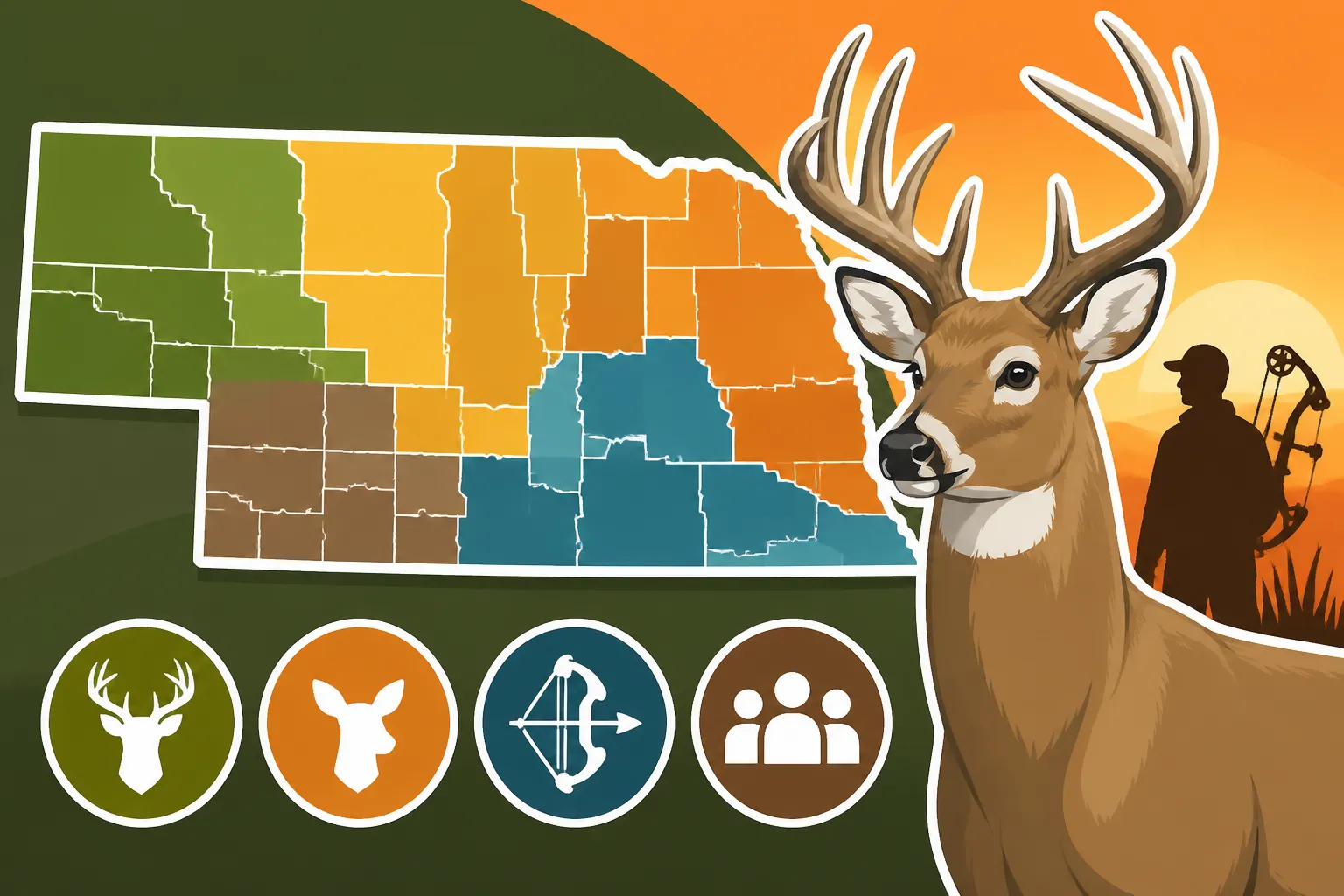
Nebraska is divided into numerous deer management units (DMUs), each with its own specific permit allocations and regulations. These units aren't arbitrary lines on a map; they are carefully drawn boundaries that reflect distinct geographical features, habitat types, and deer population dynamics. For instance, a unit in the eastern part of the state might encompass a mix of timbered river bottoms and agricultural fields, supporting a robust whitetail population. Conversely, a unit in the Sandhills might be vast, open grassland with scattered mule deer, requiring a different approach to management and hunting access.
Understanding these units is absolutely crucial because the permit you apply for is intrinsically linked to a specific unit. You can't just buy a "Nebraska deer permit"; you need to buy a permit valid for a particular unit and species (or species group). This hyper-local approach allows the NGPC to fine-tune management strategies, allocating permits to address specific concerns like localized overpopulation or the need to reduce antlerless harvest in certain areas. It also means that a hunter must be intimately familiar with the unit boundaries and regulations to avoid unintentional violations. For a visual guide, the "Nebraska Public Access Atlas" is an indispensable tool for understanding these boundaries and accessing public land.
The Basics of Nebraska Deer Permits
When you decide to hunt deer in Nebraska, you're going to encounter a variety of permit types, and it can feel like you need a spreadsheet to keep track of them all. Don't worry, we'll break down the core categories that form the backbone of the state's deer hunting opportunities.
Resident and Nonresident Permit Allocations
One of the most fundamental distinctions in Nebraska's permit system lies between residents and nonresidents. Nebraska, like many states, prioritizes its residents when it comes to allocating hunting opportunities. This is clearly reflected in how the permits are distributed, especially for highly sought-after units. The general rule is that 85% of all big game permits are reserved for residents, leaving a smaller percentage for nonresidents. This ratio is a critical factor for anyone planning a hunt.
For residents, this means a generally higher likelihood of drawing a permit in the lottery or finding over-the-counter opportunities. Nonresidents, on the other hand, face stiffer competition, particularly in premium units known for trophy animals or excellent success rates. This system can be frustrating for out-of-state hunters who dream of a Nebraska deer hunt, but it's a reality that shapes application strategies. Understanding "How Nebraska Splits Resident and Nonresident Permits" is key to setting realistic expectations and planning your approach. Many nonresidents will consider applying for preference points to improve their odds in future years, a strategy that can eventually pay off.
Statewide Versus Unit-Specific Permits
Within both resident and nonresident categories, permits generally fall into two broad types: statewide and unit-specific. This distinction is paramount to understanding where you can actually hunt.
Statewide Permits: The most common statewide permit is the Statewide Whitetail Buck (SWB) permit. This permit allows you to harvest one antlered white-tailed deer anywhere in the state, except for specific units that have their own antlered deer restrictions. These are typically the more remote, western units managed for mule deer trophy potential or specific management goals. The beauty of the SWB permit is its flexibility, offering hunters the chance to pursue whitetails across vast swaths of Nebraska without being tied to a single, small unit. It's often a great choice for hunters focusing on the river bottoms and agricultural areas where whitetails thrive. However, this flexibility also means you need to be acutely aware of which units do have restrictions, as accidentally harvesting a mule deer or an antlered whitetail in a restricted unit can lead to serious penalties.
Unit-Specific Permits: These permits are tied directly to a particular deer management unit. They might be for "Any Deer," "Any Antlered Deer," or "Antlerless Only," and they specify which species (whitetail, mule deer, or either) you can harvest. For example, a "Sandhills Any Deer" permit would allow you to harvest either a whitetail or a mule deer within the Sandhills unit, potentially with specific antler point restrictions. These unit-specific permits are often the ones that are most difficult to draw, especially for mule deer or "Any Deer" tags in prime western units. They are designed to manage specific herd dynamics within those units, allowing for targeted harvest pressure. Hunters often rely on resources like GoHunt to research draw odds and historical success rates for these competitive unit-specific tags.
Key Deer Management Units and Their Permits
Nebraska's deer units are as varied as its landscape, and each offers a distinct hunting experience based on its unique habitat and deer population. Understanding these differences is crucial for selecting the right permit and unit for your hunting goals.
Eastern Nebraska Units: Whitetail Strongholds
The eastern half of Nebraska is characterized by its fertile farmlands, timbered river corridors like the Platte and Missouri, and abundant shelterbelts. This region is a classic whitetail stronghold, boasting high deer densities and some impressive bucks. Units here, such as Blue Southeast, Wahoo, and Elkhorn, are primarily managed for white-tailed deer. Permits in these units are generally geared towards balancing herd numbers with agricultural concerns.
You'll often find a higher availability of antlerless permits in these areas, encouraging hunters to help manage the population. "Antlerless-Only Deer Permits" are a common offering, providing a great opportunity to fill the freezer and contribute to herd management. For antlered deer, the Statewide Whitetail Buck permit is often valid in many of these units, giving hunters broad access. However, some specific eastern units might have their own "Any Antlered Deer" permits, particularly if they are known for quality whitetails and the state wants to manage hunter pressure more closely. These areas often provide excellent opportunities for "River-Bottom Whitetail Hunting in Eastern Nebraska," where a strategic treestand site can be incredibly productive. The challenge in these units often isn't finding deer, but gaining access to private land, as much of the desirable habitat is privately owned.
Western Nebraska Units: Mule Deer and Mixed Opportunities
As you move west, especially into the Sandhills and the Panhandle, the landscape changes dramatically, and so do the deer hunting opportunities. This is prime mule deer country, though whitetails are increasingly expanding their range into these areas as well, particularly along river drainages. Units like Sandhills, Pine Ridge, and Plains are highly sought after for their mule deer potential.
Permits in these western units are typically unit-specific and can be highly competitive. An "Any Deer" permit in a unit like Sandhills or Pine Ridge allows you to harvest either a white-tailed or mule deer. However, due to mule deer being a species of special interest, many of these "Any Deer" permits often come with antler point restrictions specifically for mule deer (e.g., a mule deer buck must have at least four points on one side). This is a conservation measure to protect younger bucks and allow for greater trophy potential. For those specifically targeting mule deer, these unit-specific permits are essential. Nonresidents often find these permits the most challenging to draw, sometimes requiring several years of applying for preference points to be successful. Glassing the vast landscapes of the Sandhills for mule deer is a signature experience in these units, demanding patience and good optics.
Special Units: Unique Challenges and Rewards
Beyond the general eastern and western distinctions, Nebraska also has some units with truly unique characteristics and corresponding permit structures. These often represent smaller, more specialized hunting opportunities or areas with particular management needs.
Urban Archery Units: In areas around cities like Omaha and Lincoln, special urban archery units are sometimes created to manage deer populations within city limits. These permits are typically antlerless-only and aim to reduce deer-vehicle collisions and landscape damage. While not a traditional "wilderness" hunt, they offer accessible opportunities for archers to fill their freezers close to home. The rules for these can be very specific, often with restrictions on stand placement and retrieval, so careful review of the current regulations is essential.
Controlled Hunt Areas: Occasionally, specific areas, such as state parks or certain wildlife management areas, might offer controlled hunts. These are typically limited-entry draws designed to manage localized populations or provide unique hunting experiences in areas usually closed to hunting. For example, a state park might have an "Antlerless Only" firearm hunt to reduce a resident herd. These permits are usually very limited in number and require successful application in a separate drawing process. Hunters interested in these should keep an eye on the NGPC website for announcements and application periods, as these can vary year to year.
Specialized Deer Permits and Unique Opportunities
Nebraska's deer hunting landscape isn't just about the standard "Any Deer" or "Whitetail Buck" tags. There are several specialized permits and unique opportunities designed to address specific management goals or cater to particular hunting methods. These can be valuable options for hunters looking for something different or aiming to extend their time in the field.
Antlerless-Only Permits: Population Management and Freezer Fillers
One of the most widely available and important permit types across many units, especially in the eastern and central parts of the state, is the antlerless-only permit. These permits are specifically for harvesting does or fawns, and they play a critical role in managing deer populations, particularly white-tailed deer. In areas with high deer densities, antlerless harvest is essential to control herd growth, reduce agricultural damage, and prevent overbrowsing of habitat.
For hunters, these permits offer several distinct advantages. Firstly, they are typically much easier to obtain, often available over-the-counter even for nonresidents, especially later in the season. This makes them an excellent option for new hunters, youth hunters, or anyone simply looking to put venison in the freezer without the pressure of a trophy buck hunt. Secondly, they allow hunters to extend their season. Many units offer "Late-Season Antlerless Hunting in Nebraska" well into December and even January, providing opportunities after the main firearm seasons have closed. While the focus is on does, the experience of being in the field, honing your skills, and contributing to responsible wildlife management is incredibly rewarding.
Archery and Muzzleloader Permits: Extended Seasons and Traditional Methods
Nebraska embraces archery and muzzleloader hunting by offering dedicated permits and extended seasons for these methods. These seasons often run much longer than the general firearm season, providing ample opportunity for dedicated traditional weapon hunters.
Archery Permits: The archery season in Nebraska is remarkably long, stretching for four months, often from September through December. An archery deer permit allows you to harvest deer during this expansive season using a bow or crossbow. The primary advantage here is the sheer amount of time you have to hunt, including the early season before firearm pressure, and critical periods like the pre-rut and the peak of the whitetail rut. This allows for diverse tactics, from early-season food plot hunts to rattling and grunting in Nebraska's rut. It's worth noting that while the archery season is long, there are specific "Orange Requirements for Archers in November" when it overlaps with the firearm season, so always check the regulations. These permits are generally easier to obtain than firearm tags in popular units and offer a more intimate hunting experience, often requiring close-range encounters.
Muzzleloader Permits: For those who appreciate the challenge and tradition of black powder hunting, Nebraska offers a dedicated muzzleloader season, typically in December. A muzzleloader deer permit allows you to hunt specifically during this period. The December timing means hunters are often facing colder weather and snow, which can change deer patterns and make tracking easier. This season provides a unique opportunity to hunt after the main firearm season has concluded, often finding less pressured deer. Hunters pursuing "Nebraska Muzzleloader Deer Tactics in December" will need to master skills like keeping powder dry in wet snow and adapting to late-season food sources. These permits are also generally less competitive than firearm permits and offer a distinct challenge for those seeking a different hunting experience.
Youth Permits and Mentored Hunts
Nebraska is committed to fostering the next generation of hunters, and its youth permit program reflects this dedication. Youth deer permits are available for hunters 15 years old and younger, and they come with several benefits designed to make hunting accessible and enjoyable for young participants.
These permits are typically very affordable, if not free, and often come with more lenient regulations, such as the ability to take either an antlered or antlerless deer in many units, and extended season dates. The emphasis is on providing a positive first hunting experience. Nebraska also promotes mentored hunting, allowing unlicensed individuals (including adults) to hunt under the direct supervision of a licensed hunter. This "Apprentice Hunter Exemption" allows aspiring hunters to try out the sport before committing to hunter education, making it easier for mentors to introduce newcomers to the field. These programs are vital for ensuring the future of hunting and conservation in Nebraska, encouraging families to share the outdoor tradition.
Navigating the Nebraska Permit Application Process
Successfully securing a Nebraska deer permit, especially for those highly coveted unit-specific tags, involves understanding the application process. It’s not always as simple as walking into a sporting goods store and picking one up; for many permits, especially for nonresidents, it involves a lottery system.
Understanding the Nebraska Big Game Lottery
For many of the unit-specific "Any Deer" and some "Any Antlered Deer" permits, particularly in western Nebraska, the state utilizes a lottery or draw system. This is especially true for nonresidents and for residents seeking permits in units with limited quotas. The lottery is designed to distribute a finite number of permits fairly among a larger pool of applicants. The process typically begins in June, with application deadlines set for various species and permit types.
"How the Nebraska Big Game Lottery Works" involves submitting your application and choosing your preferred unit(s) and permit types. It's crucial to understand the draw odds for each unit, which can fluctuate year to year based on applicant numbers and permit allocations. Nonresidents often face significantly lower draw odds due to the "Nebraska's 85 Percent Resident Permit Split." This is where resources like GoHunt become invaluable. Their data and analysis can help you strategize your application, showing historical draw success rates for different units and permit types, allowing you to make informed decisions about where to apply. Many hunters choose to buy a "Nebraska Preference Point" in years they don't expect to draw, slowly building up their chances for a future hunt.
The Importance of Preference Points
For permits allocated through the lottery system, preference points are a game-changer, especially for nonresidents. A preference point doesn't guarantee you a permit, but it significantly increases your odds in subsequent years. When you apply for a permit and are unsuccessful, you typically have the option to purchase a preference point for that species. The more preference points you accumulate, the higher your priority in future draws.
This system encourages long-term planning. For instance, if you dream of hunting mule deer in the Nebraska Sandhills, but the draw odds for nonresidents are consistently low, accumulating preference points over several years might be your most viable path to success. "What a Nebraska Preference Point Costs" is a small investment that can pay off big down the line. It's a strategic decision: do you apply for a long-shot permit every year, or do you dedicate a few years to building points for a better chance at your dream tag? Understanding "When to Buy a Point Instead of Applying" is a crucial part of maximizing your chances in Nebraska's competitive draw system.
Over-the-Counter Permit Opportunities
While many popular permits go through a lottery, Nebraska also offers a significant number of permits that are available "over-the-counter" (OTC). These are permits that can be purchased directly without going through a draw, often starting in July after the lottery results are posted, or at the beginning of the season.
OTC permits are typically for antlerless deer in many units, and sometimes for "Any Whitetail" or "Statewide Whitetail Buck" permits, especially for residents. For nonresidents, "When Over-the-Counter Permits Go on Sale" is a critical date, as these highly desirable permits can sell out very quickly, sometimes within minutes or hours, especially for "Statewide Whitetail Buck Permits" and certain quality antlerless tags. You need to be ready to purchase them right when they become available online. These permits are a fantastic opportunity for hunters who missed the draw, or those looking for additional tags to fill their freezer. It’s also often where you can find "Nebraska's Extra Antlerless Opportunities" for late-season hunts. Always check the NGPC website for the specific dates and availability, as these can change annually.
Strategies for Securing Your Preferred Deer Permit
Once you understand the basics of Nebraska's permit types and application process, you can start developing a strategy to secure the tags you really want. It's not just about luck; smart planning can significantly increase your chances.
Researching Unit Draw Odds and Success Rates
The first and most critical step in permit strategy is thorough research. You need to delve into the historical draw odds and hunter success rates for the units and permit types you're interested in. This information is typically available on the Nebraska Game and Parks Commission website, often updated annually. Look at how many applicants there were for a particular permit, how many permits were allocated, and what the success percentage was.
For nonresidents, this research is even more vital due to the limited permit allocation. For example, if a unit only has a 5% draw odd for nonresidents for an "Any Deer" permit, you need to decide if that's a risk you're willing to take, or if you'd be better off applying for a preference point. Websites and apps like GoHunt specialize in compiling and analyzing this kind of data, providing tools that can simplify your research and help you identify trends. This analysis can reveal which units might be less popular but still offer good hunting, or which units have such low draw odds that accumulating points is the only realistic path to success. Don't just pick a unit because it sounds good; pick one based on solid data and realistic expectations.
Considering Different Weapon Seasons and Species Targets
Your choice of weapon and target species can dramatically influence your permit strategy. If your primary goal is to hunt deer in Nebraska, but you're flexible on how you hunt them, you open up a lot more opportunities.
Archery vs. Firearm: As discussed, archery permits generally have higher availability and a much longer season. If you're proficient with a bow, opting for an archery permit can be a fantastic way to experience a Nebraska deer hunt, especially in units where firearm permits are hard to draw. Similarly, "Muzzleloader Deer Hunting in Nebraska in December" offers another less competitive season. These methods provide unique challenges and rewards. While a firearm hunt offers a more immediate opportunity for success, the extended seasons for archery and muzzleloader often provide more time afield and a chance to hunt during key deer movement periods.
Whitetail vs. Mule Deer: While everyone loves the idea of a big mule deer, remember that "Mule Deer in the Nebraska Sandhills and Panhandle" are far more limited in range and permits than "White-Tailed Deer Across Nebraska." If you're a nonresident and simply want to experience a Nebraska deer hunt, focusing on a "Statewide Whitetail Buck Permit Explained" might be a more attainable goal than continually striking out on Sandhills "Any Deer" permits. You might even consider hunting for antlerless whitetails in the eastern part of the state as a way to gain experience and learn the landscape before attempting a more competitive draw. It's all about aligning your expectations with the realities of the permit system and what you're willing to pursue.
Planning for Multiple Permits and Late-Season Options
Nebraska often allows hunters to hold multiple deer permits, which can be a great strategy to maximize your time afield or to ensure you fill your freezer. Typically, hunters can purchase a combination of antlered and antlerless permits, or permits for different units or seasons. Always check the current regulations on "How Many Deer Permits You Can Hold," as these rules can change.
This strategy is particularly useful for residents or nonresidents who have secured a primary permit (e.g., an "Any Antlered Deer" permit) and then want to add an antlerless permit for meat, or to hunt in a different unit. Many of the "Nebraska Antlerless Permit Availability by Unit" options are available late in the season, offering opportunities to extend your hunt into December and January. These late seasons, often characterized by cold weather and snow, can be incredibly productive as deer are concentrated on food sources. Planning for these extra tags means keeping an eye on the over-the-counter sales after the main draw, and being ready to act quickly when they become available. It's a fantastic way to maximize your deer harvest and experience more of what Nebraska hunting has to offer.
Post-Harvest Requirements and CWD Sampling
Your responsibilities as a hunter don't end once you've successfully harvested a deer. Nebraska has specific regulations regarding tagging, checking, and disease sampling that are critical for both legal compliance and the health of the state's deer herds.
Tagging and Checking Your Harvest
After you've successfully taken a deer, the very first thing you need to do is tag it. Nebraska requires immediate attachment of your permit tag to the deer, typically through a slit in the ear or leg. This tag must remain with the carcass until it reaches its final destination for processing or storage. Failing to immediately tag your deer is a serious violation.
Beyond tagging, you are also required to check your deer. "Nebraska Deer Tagging and Checking Rules" are designed to collect vital data on harvest numbers, hunter success, and population trends. This is usually done online or through a telecheck system. You'll need to report information like the unit where the deer was harvested, the date, and the sex of the animal. This data is crucial for the NGPC's wildlife biologists to make informed decisions about future permit allocations and management strategies. It's your responsibility to understand and comply with these requirements, which often have specific deadlines, usually within 48 hours of harvest. Keep your permit and confirmation numbers handy, as you'll need them for this process.
Chronic Wasting Disease CWD Sampling
Chronic Wasting Disease (CWD) is a serious neurological disease affecting deer, elk, and moose, and it has been detected in Nebraska. As part of its efforts to monitor and manage CWD, the NGPC conducts mandatory or voluntary sampling of harvested deer in specific areas or during certain periods.
Hunters play a crucial role in CWD surveillance. "Nebraska CWD Sampling for Hunters" might involve submitting specific tissue samples (lymph nodes or brainstem) from your harvested deer at designated collection sites or through self-sampling kits. The NGPC website will provide detailed information on "Where CWD Has Been Found in Nebraska" and which units require mandatory sampling. Even if sampling is voluntary in your unit, participating is highly encouraged. It provides invaluable data that helps wildlife managers understand the prevalence and spread of the disease, informing management decisions and protecting the long-term health of Nebraska's deer herds. Remember, there are also "Carcass Transport Rules Out of Nebraska" for deer harvested in CWD-positive areas, so be sure to check those regulations if you plan to take your venison across state lines.
Common Pitfalls and How to Avoid Them
Even with the best intentions, hunters can sometimes stumble into common pitfalls when dealing with Nebraska's deer permit system. A little foresight and careful attention to detail can save you a lot of headaches and ensure a smooth, enjoyable hunting experience.
Misinterpreting Unit Boundaries and Permit Validities
One of the most frequent mistakes hunters make is misinterpreting unit boundaries or assuming a permit is valid in areas where it isn't. The lines on the map are there for a reason, and inadvertently crossing into an adjacent unit where your permit isn't valid, or harvesting a species not allowed by your tag, can lead to serious legal consequences. For example, if you have a Statewide Whitetail Buck permit, but accidentally harvest a whitetail in a restricted unit, you've committed a violation.
To avoid this, always double-check your unit boundaries. The "Nebraska Public Access Atlas Mobile App" and services like onX Hunt provide excellent, real-time mapping tools that show unit boundaries, public land, and even private property lines. Don't rely on memory or vague directions. Before you even head out, spend time with these tools, clearly marking the boundaries of your hunting area. If you're hunting near a unit line, consider your setup points carefully to ensure you remain within the valid zone for your permit. Understanding "Reading a Nebraska Deer Unit Boundary" is not just good practice, it's essential for legal hunting.
Missing Application Deadlines and Sales Dates
The Nebraska permit system operates on a strict timeline, and missing key deadlines or sales dates can mean missing out on your desired permit for an entire season. This is particularly true for the lottery draw, where applications close well in advance of the season, and for competitive over-the-counter permits that sell out quickly.
To avoid this, mark your calendar with all relevant dates. This includes the application window for the big game lottery, the release date for draw results, and especially the on-sale dates for over-the-counter permits, both for residents and nonresidents. For those fast-selling OTC permits, be ready to purchase online right when they become available. Set alarms, make notes, and double-check the NGPC website for any updates or changes to the schedule. A little organization can prevent a lot of disappointment. If you plan to pursue "Nebraska's June Big Game Draw Explained," make sure you're aware of that critical application window.
Overlooking Hunter Education and Habitat Stamp Requirements
Before you even think about permits, make sure you've covered the foundational requirements for hunting in Nebraska. These include hunter education and the purchase of necessary stamps. It's an easily overlooked detail for experienced hunters or those new to the state.
All hunters born on or after January 1, 1977, are required to complete a certified hunter education course before they can purchase a Nebraska hunting permit. There are exceptions, such as the apprentice hunter certificate program, but generally, this is a non-negotiable step. Furthermore, anyone hunting in Nebraska (except for certain specific exemptions like landowners hunting their own land) must possess a valid Nebraska Habitat Stamp. This stamp is crucial for funding habitat improvement projects across the state, benefiting deer and all other wildlife. "Nebraska Habitat Stamp Requirements" are straightforward, but easily forgotten. Always ensure your hunter education is valid and that you've purchased all required stamps before you even apply for a permit, as you won't be able to complete the purchase without them.
Disclaimer
The information provided in this guide is for informational purposes only and is not a substitute for the official regulations published by the Nebraska Game and Parks Commission. Hunting regulations, season dates, and permit availability can change annually. Always consult the most current Nebraska Big Game Hunting Guide and the Nebraska Game and Parks Commission website before planning any hunting activity.