Spinning Wing Decoy Rules in Nebraska
There's nothing quite as frustrating as showing up for a duck or goose hunt, only to realize that the gear you carefully packed might not even be legal to use. For Nebraska waterfowl hunters, the rules around spinning wing decoys can be particularly confusing, shifting depending on the species you're targeting and even the specific time of year. This guide is here to clear up that confusion, diving deep into the current regulations so you can hunt confidently and stay on the right side of the law.
Understanding Nebraska's Waterfowl Decoy Regulations
Waterfowl hunting is steeped in tradition, but it's also heavily regulated to ensure sustainable populations and fair chase. Decoys, especially those with motion, have always been a point of interest for wildlife agencies, as they can significantly increase a hunter's success. This effectiveness is precisely why rules are put in place, often to balance hunter opportunity with wildlife conservation.
The Rationale Behind Decoy Rules
When you think about why certain decoys might be restricted, it usually comes down to concerns about giving hunters too much of an advantage. Spinning wing decoys, with their lifelike movement and flashing wings, are incredibly effective at drawing in ducks from a distance, even birds that might be wary of static spreads. This effectiveness, while great for the hunter, can sometimes lead to excessive harvest, particularly early in the season when birds are less "educated." Wildlife managers aim to keep hunting challenging enough to prevent overharvest, ensuring there are plenty of birds for future generations.
Furthermore, these regulations aren't just arbitrary; they often stem from studies and observations about waterfowl behavior. Younger, less experienced birds are often more susceptible to decoys, especially those with aggressive motion. By limiting the use of certain decoys during specific periods, wildlife agencies can give those younger birds a better chance of survival, contributing to a healthier overall population. It's a delicate balance between providing ample opportunity for hunters and protecting the resource.
General Rules for Mechanical Decoys
Before we get into the specifics of spinning wing decoys, it's helpful to understand the broader category of "mechanical decoys." In Nebraska, a mechanical device designed to attract waterfowl usually falls under this umbrella. This includes anything that creates movement, sound, or light, beyond what a simple static decoy might do in the wind. The general intent of many regulations is to prevent over-reliance on technology that removes the skill and challenge from hunting.
For example, electronic calls for waterfowl are generally prohibited, as they can lure birds in too easily. Similarly, restrictions on motorized decoys, while not always an outright ban, are common in many states and specific zones. Nebraska's rules often differentiate between devices that simulate live bird activity and those that are purely static. The key is to check the current Nebraska Game and Parks Commission (NGPC) regulations annually, as these rules can change. A reliable resource like the GoHunt app or website can also help you stay informed about the latest updates, especially when planning a trip to a new area.
Specifics for Spinning Wing Decoys in Nebraska
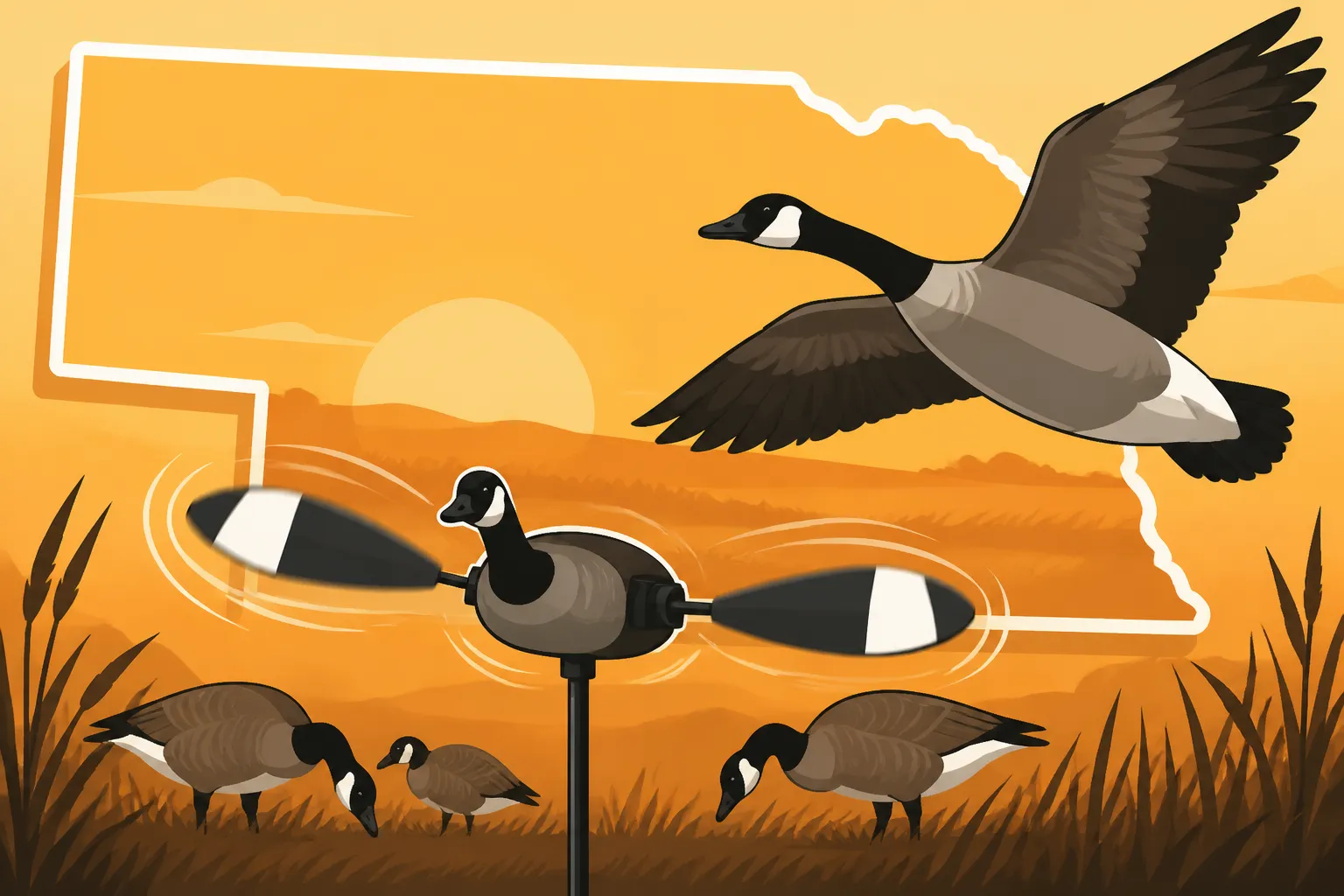
Now, let's get down to the nitty-gritty of spinning wing decoys (SWDs), often affectionately called "mojo" decoys after a popular brand. Nebraska has distinct rules for their use, depending on whether you're chasing ducks or geese, and crucially, when you're hunting. Misunderstanding these nuances can lead to citations, so pay close attention.
Duck Seasons and Spinning Wing Decoy Use
This is where many hunters get tripped up, and it's vital to know the specific dates. For ducks in Nebraska, spinning wing decoys are generally not permitted during the first portion of the duck season. This restriction is primarily designed to give ducks a fair shake when they are often migrating through and haven't encountered as much hunting pressure. The exact dates for these segments can vary slightly year to year, so always confirm with the official NGPC regulations.
However, once the season transitions into its second segment (typically later in the fall and into winter), the use of spinning wing decoys for ducks is usually allowed. This change reflects the belief that by this point in the season, ducks are warier and more accustomed to hunting pressure, making mechanical assistance less of an "unfair" advantage. It also allows hunters to utilize these effective tools when colder weather and different migration patterns might make birds harder to decoy with static spreads alone. It's important to remember these rules apply to all species of ducks you might encounter, from mallards to pintails, as you're planning your Nebraska Duck Zones and Split Seasons strategy.
Here's a quick reference table, but always double-check the official NGPC season dates for the current year, as they can shift:
| Species | Season Segment | Spinning Wing Decoy (SWD) Use |
|---|---|---|
| Ducks | First Segment (e.g., Early October to Mid-November) | NOT ALLOWED |
| Second Segment (e.g., Mid-November to January) | ALLOWED | |
| Geese | All Regular Seasons (e.g., Canada, White-fronted) | ALLOWED |
| Light Goose Conservation Order | ALLOWED |
This table provides a general overview, but always verify specific dates on the NGPC website or through resources like GoHunt. Ignoring these dates can lead to a costly lesson from a game warden, so it's always better to be safe than sorry.
Goose Seasons and Spinning Wing Decoy Use
When it comes to goose hunting in Nebraska, the rules are thankfully a bit simpler and more permissive. For all regular goose seasons, including Canada geese, snow geese, and white-fronted geese, spinning wing decoys are generally allowed. This includes both the early goose seasons and the main seasons that run through much of the fall and winter.
This more lenient approach for geese might be due to several factors. Geese, particularly Canada geese, are often seen as less susceptible to being "fooled" by mechanical decoys than ducks, especially in large fields where a realistic spread is already a huge undertaking. Their eyesight is incredibly keen, and they are notoriously wary. Additionally, some goose populations, like certain segments of the snow goose population, are actively managed for increased harvest, making liberal decoy rules a management tool.
Even during the special Nebraska Light Goose Conservation Order in late winter and early spring, when hunters are allowed extended hours, unplugged shotguns, and no daily bag limits, spinning wing decoys remain legal. This is another situation where wildlife management encourages a higher harvest, and SWDs can be a valuable tool for hunters looking to capitalize on the massive migrations that pass through the state. When you're setting up your Decoy Spreads for Rainwater Basin Geese, feel free to integrate those spinners to maximize your chances!
Navigating the Regulations and Staying Legal
Understanding these specific rules is one thing, but consistently applying them and staying compliant throughout the season requires a proactive approach. Regulations can be complex, and ignorance of the law is never an excuse.
Staying Informed with Current Regulations
The single most important piece of advice for any hunter, especially when dealing with specific gear rules, is to always consult the official Nebraska Game and Parks Commission regulations booklet or their website. These documents are the final authority on what's legal and what isn't. Don't rely solely on what you hear from other hunters at the coffee shop or what you read on old forum posts. Regulations can and do change year to year, sometimes subtly, sometimes significantly.
Beyond the official printed guide, many digital tools can help. The NGPC often has a digital version of their guide, and third-party apps and websites, like GoHunt, frequently provide summaries and links to the official regulations, sometimes with added features like mapping tools that can help you understand specific zones. Make it a habit to review the waterfowl regulations before each season, paying particular attention to any "Summary of Changes" section. Even if you've been hunting for decades, a quick refresher ensures you don't overlook a critical update regarding something like Spinning Wing Decoy Rules in Nebraska. It’s also important to have a good understanding of Nebraska HIP Registration Requirement and federal stamps, like the Nebraska Federal Duck Stamp Cost, to ensure all your paperwork is in order before you even step foot in the blind.
Practical Tips for Decoy Placement and Strategy
Even when spinning wing decoys are legal, how you use them can make a huge difference in your success and overall hunting experience. Simply throwing them out without thought might not yield the results you hope for, and could even flare wary birds if they're used incorrectly.
One common strategy is to place your spinning wing decoys slightly away from your main spread, perhaps 15-20 yards downwind or to the side. This creates a "landing zone" in your primary decoy cluster and gives the incoming birds something active to focus on as they approach. Many hunters find that a single SWD, or perhaps two, is more effective than a dozen. Too many can look unnatural or even create a "disco ball" effect that spooks educated birds.
Consider the weather conditions. On calm, overcast days, the flash of an SWD can be incredibly visible and attractive. On bright, sunny days, that flash might be too intense, looking unnatural. Some hunters will even use a remote switch to turn their SWDs on and off, mimicking a bird landing or taking off, making the movement more sporadic and lifelike. Combining SWDs with a solid spread of full-body Decoy Spreads for Rainwater Basin Geese or realistic duck decoys can present an irresistible picture to incoming birds. Always ensure your Layout Blinds for Nebraska Cut Corn or other concealment is well-brushed in, because even the most convincing decoy spread won't fool birds if they see the hunters first.
Remember that while SWDs are effective, they are just one tool in your waterfowl hunting arsenal. Wind direction, sun position, calling technique, and concealment are equally, if not more, important. Integrate your spinning wing decoys thoughtfully into your overall strategy for Hunting Rainwater Basin Wetlands or any other waterfowl hotspot, and you'll increase your chances of a successful and legal hunt.
Disclaimer
The information provided in this article is for general guidance only and is not a substitute for the official regulations published by the Nebraska Game and Parks Commission. Hunters are responsible for knowing and adhering to all current state and federal hunting laws and regulations. Always consult the most recent official regulations booklet before heading afield.