Valentine Refuge Hunting Rules
Hunting on public land in Nebraska offers incredible opportunities, but when you venture onto a National Wildlife Refuge like Valentine, you're stepping into an area with its own unique set of regulations. It's not just about knowing statewide hunting laws; it's about understanding the specific rules designed to protect the refuge's primary mission. This guide is here to untangle those complexities, helping you navigate the Valentine National Wildlife Refuge so you can plan a responsible and successful hunt.
Understanding the Valentine National Wildlife Refuge Mission
Before we dive into the nitty-gritty of hunting rules, it’s really helpful to understand why the Valentine National Wildlife Refuge exists and what its primary purpose is. Unlike some state-managed lands, national wildlife refuges operate under a federal mandate focused on wildlife conservation, particularly migratory birds. This means that while public recreation, including hunting and fishing, is often permitted, it's always secondary to the needs of the wildlife and the preservation of their habitat. This foundational principle dictates every rule and regulation you'll encounter on the refuge.
The Valentine NWR is a vast expanse, covering over 70,000 acres right in the heart of Nebraska's Sandhills. Its landscape is a mosaic of wet meadows, shallow lakes, and sandhills prairie, providing critical breeding, resting, and feeding grounds for a huge variety of waterfowl and other migratory birds. Think mallards, pintails, canvasbacks, teal, and a host of other species that rely on this oasis in the Central Flyway. Its commitment to these species means that human activities are carefully managed to minimize disturbance and ensure the integrity of these vital ecosystems.
This conservation-first approach often translates into more stringent regulations than you might find on general public lands. For instance, certain areas might be designated as waterfowl sanctuaries, completely closed to hunting, even when surrounding areas are open. Times of year, hunting methods, and even the types of blinds you can use are all carefully considered. Knowing this mission helps you understand the reasoning behind the rules, rather than just memorizing them, which can make compliance feel less like a burden and more like a shared responsibility for conservation.
Permitted Hunting Opportunities and Specific Rules
Hunting at Valentine National Wildlife Refuge is primarily focused on migratory waterfowl, but opportunities for other game, like upland birds and deer, do exist, albeit with very specific conditions. It's crucial to remember that these opportunities can change from year to year based on wildlife populations, habitat conditions, and management goals. Always check the current refuge-specific regulations before you plan your trip.
Waterfowl Hunting Regulations
Waterfowl hunting is a cornerstone activity at Valentine NWR. Hunters often target ducks and geese across the refuge's numerous lakes and wetlands. The regulations are designed to provide a quality hunting experience while ensuring minimal impact on the overall bird population. This means strict adherence to federal and state waterfowl laws, including bag limits, shooting hours, and the requirement for Nontoxic Shot Rules on Nebraska WMAs – a rule that applies here as well to protect the wetlands from lead contamination.
Access to specific lakes and ponds might be managed through a permit or lottery system, or certain areas may be open only on specific days of the week to reduce pressure. For example, some units might only allow hunting two or three days a week, giving birds undisturbed time to feed and rest. Blinds are usually restricted; often, only temporary or natural blinds are allowed, and permanent structures are almost universally prohibited. You’ll need to be prepared to set up and take down your blind each time, or hunt from natural cover. Retrieving birds without a dog can be challenging in marshy areas, so consider if Retrieving Birds Without a Dog will be an issue in the dense cattails and tall grasses common here.
| Species Category | General Opportunity | Key Restrictions |
|---|---|---|
| Ducks & Geese | Primary | Nontoxic shot, specific lake closures, temporary blinds |
| Pheasants & Grouse | Limited/Designated | Specific units, shotgun only, season dates apply |
| Deer (Archery/Firearm) | Limited/Designated | Specific zones, unit permits, harvest reporting |
| Other Small Game | Varies | Check specific refuge brochures |
Upland Game and Deer Hunting
While waterfowl takes center stage, Valentine NWR often provides limited hunting for upland game species like pheasants, sharp-tailed grouse, and even deer. These opportunities are highly regulated and usually confined to specific units or zones within the refuge, often away from the core wetland areas dedicated to migratory birds. For pheasants and grouse, you might find designated grasslands or shelterbelts open during specific state seasons, and similar to waterfowl, only shotguns are typically allowed. It's vital to confirm which parts of the refuge are open for these hunts, as many areas remain closed.
Deer hunting, when permitted, is usually under the Nebraska state permit system, meaning you'll need the appropriate deer permit for the management unit in which the refuge is located. Valentine NWR is a vast area, so understanding where the deer are and where you can legally hunt them is crucial. Often, deer hunting is restricted to archery-only or specific firearm seasons, and sometimes only antlerless deer can be harvested. These restrictions are put in place to manage deer populations effectively while minimizing disturbance to other wildlife. Always check for any special refuge archery or firearm zones and be prepared for detailed Nebraska Deer Tagging and Checking Rules after a successful hunt.
Navigating Access and Specific Area Restrictions
Getting around and understanding where you can and cannot hunt on Valentine NWR requires careful planning. This isn't your typical walk-in public land, and respecting designated boundaries and access points is paramount. Before you even set foot on the refuge, you need to arm yourself with the most current information.
Using Maps and Digital Tools
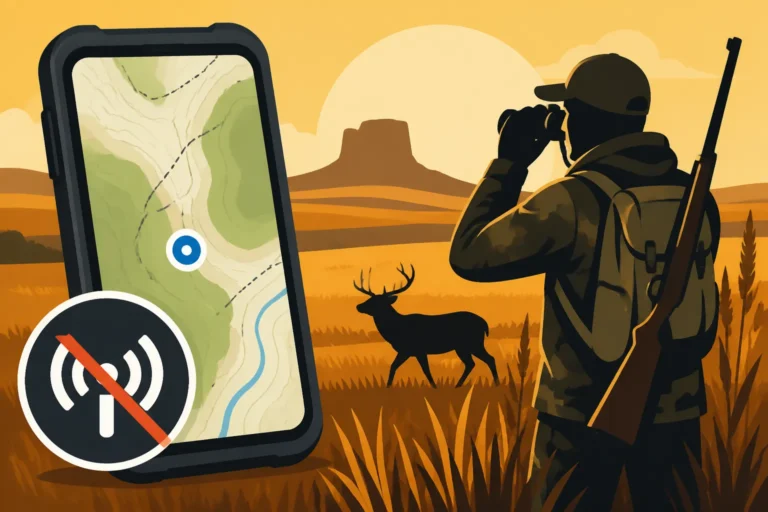
The best way to navigate Valentine NWR is with a detailed map. The refuge typically provides its own brochures and maps that clearly delineate hunting units, non-hunting zones, and access roads. These are your absolute best resource for understanding the specific nuances of the refuge. You can usually find these on the refuge's official website or by visiting the refuge headquarters. Combining these official maps with digital tools can give you a significant advantage. Mapping apps like onX Hunt are incredibly useful for identifying refuge boundaries, distinguishing between open and closed areas, and tracking your location in real-time. This helps prevent accidental trespass into sensitive non-hunting zones.
It’s also wise to check the Nebraska Public Access Atlas annually. While the Atlas is primarily a guide to state public lands and Open Fields and Waters tracts, it can sometimes include or reference larger federal properties and serve as a complementary resource to refuge-specific materials. Remember, refuge rules are federal, and they often supersede or add to state regulations, so the refuge's own publications are always the final word. Always double-check any information you gather against the official refuge documents.
Understanding Designated Hunting Zones and Closures
Valentine NWR is often divided into various zones, each with its own specific rules and access points. Some zones might be permanently closed to hunting to serve as wildlife sanctuaries, providing undisturbed areas for critical breeding or roosting. Other zones might be open only for specific species or during certain periods. For instance, a particular lake might be open for waterfowl, but the surrounding uplands might be off-limits for pheasant hunting, or vice-versa.
Seasonal closures are also common. Roads or areas that are open during one part of the year might be closed to vehicle traffic or even foot traffic during critical nesting or migration periods to protect sensitive wildlife. This is why it’s not enough to just know the general rules; you need to know the current rules for the specific area and time you intend to hunt. Check the refuge's website or call their office for the latest updates, especially before traveling a long distance. Platforms like GoHunt can be good for general statewide season dates, but for refuge-specific closures, you must go directly to the refuge.
Permits, Stamps, and Hunter Responsibilities
Hunting at Valentine National Wildlife Refuge, like any other public land, comes with a set of responsibilities and requirements beyond just the act of hunting itself. You need to ensure you have all the necessary licenses, permits, and stamps, and you must understand and uphold ethical hunting practices to ensure these opportunities remain available for everyone.
Required Licenses and Stamps
To hunt any game on Valentine NWR, you'll need a valid Nebraska hunting permit. If you're a nonresident, make sure you've purchased the correct Nebraska Nonresident Annual Hunt Permit Cost. Beyond the basic state permit, specific additional stamps are required for certain game. For waterfowl, a Federal Duck Stamp is mandatory for anyone 16 years or older, alongside the state's own Nebraska Habitat Stamp Requirements. The federal duck stamp funds conservation efforts across the national wildlife refuge system, so it's a direct investment in the very places you hunt. Don't forget your HIP (Harvest Information Program) registration as well.
It's also essential to be up to date on your hunter education. While many long-time hunters are exempt, if you're a younger hunter or new to the state, you might need to complete Nebraska Hunter Education Age Requirement. These requirements ensure a baseline level of safety and ethical understanding for all hunters using public resources. Always carry all your required permits and identification with you while afield, as refuge officers regularly check for compliance.
Ethical Hunting and Conservation Practices
Hunting on a National Wildlife Refuge carries an even greater emphasis on ethical behavior. This means more than just following the rules; it's about being a good steward of the land and its wildlife. This includes packing out all your trash, leaving no trace, and being respectful of other users, whether they are bird watchers, photographers, or other hunters. Remember, these lands are for everyone, and shared use requires mutual respect.
One critical aspect of ethical hunting on refuges, particularly with waterfowl, is minimizing disturbance. Avoid sky-busting or taking shots at birds beyond ethical range, which can lead to crippled birds and disturbance to flocks for little gain. Adhere strictly to shooting hours, which might be different from general state regulations depending on the refuge's specific management plan. Scouting Nebraska Public Ground Before Opening Day is highly recommended for understanding terrain and animal movement, which can lead to cleaner, more efficient hunts and less disturbance to wildlife and other hunters. By upholding these principles, you contribute to a positive public image of hunting and help ensure that Valentine National Wildlife Refuge remains a premier hunting destination for generations to come.
Disclaimer
This article is for general informational purposes only and does not constitute professional advice. Laws, prices and regulations vary by location and change over time. Consult a qualified professional for guidance on your specific situation.