Nebraska High Plains Duck Zone Dates
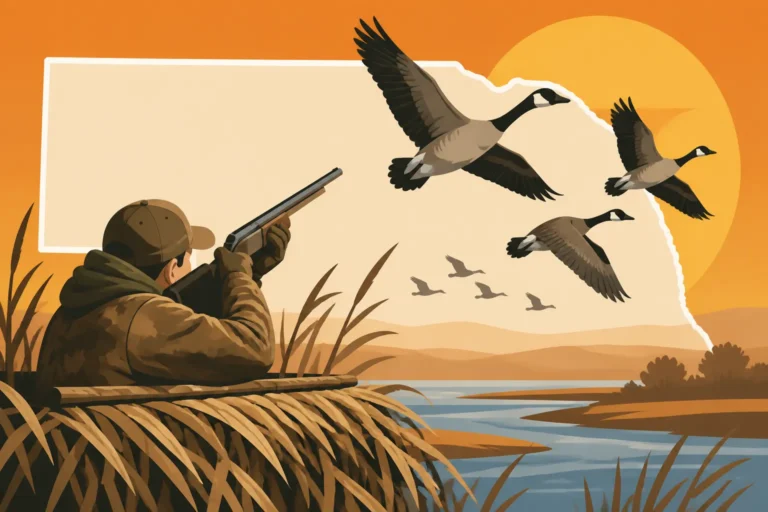
Navigating the myriad of duck hunting regulations and season dates across Nebraska can feel like trying to decipher an ancient scroll, especially when you're just eager to get out in the blind. Many hunters find themselves scratching their heads over which zone they're in and when they can actually start chasing ducks. This comprehensive guide is here to clear up all that confusion, specifically breaking down the Nebraska High Plains Duck Zone dates so you can plan your hunts with confidence and focus on what truly matters: a successful day afield.
Understanding Nebraska's Duck Zones and Why They Matter
Nebraska, like many states along major migratory flyways, doesn't operate under a single, statewide duck season. Instead, it's divided into specific zones, each with its own set of opening and closing dates, as well as distinct daily bag limits. This system isn't designed to complicate your life; rather, it's a strategic approach to waterfowl management that acknowledges the vast ecological differences and varied migration patterns across our great state. If you’ve ever wondered why your buddy in the Panhandle starts hunting earlier than you do closer to Lincoln, the duck zones are your answer.
The Purpose Behind Duck Hunting Zones
The primary reason for dividing Nebraska into duck hunting zones boils down to managing waterfowl populations effectively and providing fair hunting opportunities based on localized conditions. Ducks and geese don't follow arbitrary state lines; they follow weather patterns, food availability, and ancestral migration routes. The Nebraska Game and Parks Commission (NGPC), in conjunction with the U.S. Fish and Wildlife Service, establishes these zones to align with these natural movements. For instance, the western part of the state, particularly the High Plains, often experiences colder weather and earlier migrations, necessitating different season structures compared to the warmer, eastern river systems. This zonal approach allows wildlife managers to adapt to specific environmental factors, ensuring that hunters have a chance at birds while also protecting breeding populations. It's a delicate balance, and these zones are a key part of that management strategy.
Delineating Nebraska's Primary Duck Zones
Nebraska primarily has two major duck hunting zones that dictate general season frameworks: the Low Plains Zone and the High Plains Zone. The dividing line is roughly along Highway 83 from the South Dakota border south to its junction with Highway 92, then east along Highway 92 to its junction with Highway 2, and finally south along Highway 2 to its junction with Highway 83, and then south along Highway 83 to the Kansas border. This creates a distinct western "High Plains" area and an eastern "Low Plains" area. The High Plains Zone encompasses the western reaches of the state, including the Sandhills, the Pine Ridge, and the Panhandle. It's characterized by more arid conditions, open grasslands, and specific waterfowl habits tied to those landscapes. The Low Plains Zone covers the more agricultural eastern and central parts of the state, including the Platte River and Rainwater Basin. Understanding which side of this line you plan to hunt is the absolute first step in determining your season dates. For those who hunt ducks in Nebraska, particularly in the western half, recognizing the specific boundaries of the High Plains Zone is paramount to avoid any unintentional violations.
Deciphering the Nebraska High Plains Duck Zone Dates
Now, let's get down to brass tacks: the actual dates for hunting ducks in the Nebraska High Plains Zone. These dates are typically set annually by the NGPC and adhere to federal guidelines. It’s crucial to remember that these can shift slightly from year to year based on population surveys, breeding success, and federal frameworks, so always double-check the current year's regulations. However, the general structure remains fairly consistent.
Key Dates for the Regular High Plains Duck Season
The regular duck season in the High Plains Zone generally starts a bit earlier than its Low Plains counterpart, reflecting those earlier migration patterns and colder snaps that push birds south. Typically, you can expect the regular season to open in early to mid-October. However, it's often a "split season," meaning there will be an initial period of hunting, followed by a short closure, and then a reopening. This split is designed to coincide with different waves of migrating birds, maximizing opportunities for hunters throughout the fall and early winter. For example, a recent season might have opened in mid-October, closed for about a week in late October, and then reopened in early November, running through to early January. The specific dates, like whether the season will open on October 10th or October 14th, are details you'll want to verify in the annual Nebraska Waterfowl Guide. Don't forget that beyond the season dates, the daily bag limit for ducks will also apply, which is important to keep in mind when planning your hunt.
It’s worth noting that the High Plains Zone is known for its diverse duck populations, from mallards and gadwalls to widgeon and teal, particularly in the early part of the season. As the season progresses and temperatures drop, larger numbers of mallards and divers become more prevalent, especially on larger bodies of water. Keep an eye on local conditions and weather forecasts; a strong cold front pushing through the Dakotas often means new birds for Nebraska's High Plains.
Special Early Seasons and Opportunities in the High Plains
Beyond the regular season, the High Plains Zone also offers special early hunting opportunities, primarily for teal. The Nebraska's Nine-Day Early Teal Hunt is a popular event that typically kicks off in early September, well before the regular duck season opens. This short, dedicated season allows hunters to target early-migrating blue-winged and green-winged teal before other duck species have arrived in large numbers. It's a fantastic way to shake off the rust and get a jump on the waterfowl season. Remember, the rules for this early teal season, including bag limits and shooting hours, are specific to this period.
In addition to teal, youth hunters often get a special opportunity to hunt ducks and geese before the general season opens. This youth waterfowl hunt usually takes place on a weekend in late September or early October, providing a less pressured environment for young hunters to learn the ropes. These special seasons are vital for hunter recruitment and give kids a memorable experience without the crowds of a regular opener. Always check the annual regulations for the exact dates of these special hunts, as they can also vary slightly each year. Many experienced hunters find that scouting the High Plains for these early opportunities can provide valuable insights into where When Ducks Migrate Through Nebraska and concentrate before the main migration hits.
Navigating Regulations and Maximizing Your High Plains Hunt
Once you have a handle on the dates, it’s critical to understand the surrounding regulations and best practices for hunting in the Nebraska High Plains. Missing a detail could lead to a ruined hunt or, worse, a violation. This area of Nebraska, with its vast landscapes and often remote access, requires a bit more planning and self-sufficiency than some other regions.
Essential Permits, Stamps, and Hunting Rules
Before you even think about setting foot in the High Plains Zone, you need to ensure all your paperwork is in order. Every duck hunter in Nebraska, regardless of zone, needs a valid Nebraska Hunt Permit and a Nebraska Habitat Stamp. On top of that, federal regulations require all waterfowl hunters 16 years of age and older to purchase a Federal Duck Stamp. Don’t forget the Harvest Information Program (HIP) registration, which is also mandatory for anyone hunting migratory birds in Nebraska. This brief registration helps wildlife agencies collect data on harvest trends. These requirements are consistent across all duck zones, so if you're hunting in the High Plains, these are absolute must-haves. Information on where to buy these can typically be found on the NGPC website, and many can be purchased online. While the Nebraska Federal Duck Stamp Cost is consistent nationally, knowing the specific state requirements, like the Nebraska HIP Registration Requirement, is key for local compliance.
Beyond permits, be aware of shooting hours, which are generally from one-half hour before sunrise to sunset. Also, remember the Nebraska Duck Daily Bag Limit, which specifies how many ducks you can harvest per day and includes species-specific restrictions (e.g., limits on mallards, pintails, canvasbacks). Nontoxic shot is required for all waterfowl hunting, so leave your lead shot at home. These are the fundamental rules that keep hunting fair and sustainable.
Practical Tips for Hunting Success in the High Plains
Hunting ducks in the High Plains Zone often means adapting to different landscapes than the typical river bottoms or marshy areas of eastern Nebraska. Here, you might find yourself hunting small reservoirs, stock ponds, or even flooded prairie potholes. Scouting is absolutely paramount. Before the season, drive the backroads (where legal and permissible) and observe water sources. Pay attention to cattle tanks and ephemeral wetlands that might hold birds after a rain. Many hunters use advanced mapping tools like GoHunt to identify potential public access points and water features from home. These tools can highlight changes in water levels or indicate areas that might be overlooked by others.
Consider your setup: if you're hunting small, shallow water, layout blinds or low-profile ground blinds can be very effective for concealment. The open nature of the High Plains often means less natural cover, so a well-brushed blind is crucial. Decoy spreads don't always need to be massive; a small, realistic spread of a dozen or two decoys can be incredibly effective on smaller bodies of water. Don't underestimate the power of a few motion decoys or even just a jerk cord to add realism. For finding public ground in this expansive region, the Nebraska Public Access Atlas Mobile App can be an invaluable tool, allowing you to identify Open Fields and Waters tracts or Wildlife Management Areas while you're actually out in the field. Using resources like GoHunt to cross-reference public land boundaries with satellite imagery can significantly improve your scouting efficiency before you ever leave the couch.
Common Challenges and Planning Ahead for the High Plains
Hunting the High Plains can be incredibly rewarding, but it comes with its own set of challenges. Understanding these and planning accordingly will greatly increase your chances of a successful and enjoyable trip. The sheer vastness of the landscape and the unpredictable nature of waterfowl migration mean you need to be prepared for anything.
Weather's Impact on High Plains Duck Hunting
The weather in western Nebraska, particularly in the High Plains, can be extreme and change rapidly. Early season hunts might be surprisingly warm, even hot, requiring careful consideration for Field Dressing and Cooling Game in Warm Weather. However, by late October and into November and December, fierce cold fronts, blizzards, and relentless winds are common. These conditions can either be a duck hunter's best friend, pushing waves of new birds down from the north, or a formidable foe, making hunting miserable and difficult. You need to dress in layers, with good wind-blocking outerwear, and have proper insulated boots. Nothing ends a hunt faster than being unprepared for the cold.
Water availability is another major weather-dependent factor. Unlike the more stable river systems further east, many High Plains water sources—especially smaller potholes and playas—rely heavily on rainfall. A dry year can mean drastically reduced hunting opportunities, as birds will bypass the region or concentrate on the few remaining permanent water bodies. Staying informed about local precipitation and water levels is key. A good way to stay ahead is to scout regularly or use digital mapping tools like GoHunt, which often show updated satellite imagery, giving you a visual on current water conditions.
Resources for Up-to-Date Information
Staying current with regulations and local conditions is paramount. The official Nebraska Game and Parks Commission website is your first and best resource. They publish the annual Waterfowl Guide, which contains all the season dates, bag limits, and specific rules for each zone. Sign up for their newsletters or follow their social media channels for real-time updates on migration, weather impacts, or emergency closures.
Additionally, local hunting forums, conservation groups like Ducks Unlimited, and even conversations with folks at local sporting goods stores can provide invaluable insights into current conditions and bird movements. Always cross-reference any anecdotal information with official NGPC sources. Remember, the High Plains is a dynamic environment, and the more informed you are, the better prepared you'll be to adapt and find success. For a broader understanding of waterfowl across the state, you might want to look into Waterfowl of the Central Flyway in Nebraska to get a full picture of the diverse species you could encounter.
| High Plains Duck Zone Dates (Example, always confirm current year) | Dates | Daily Bag Limit | Notes |
|---|---|---|---|
| Early Teal Season | Early Sept (9 days) | 6 teal | Specific to blue/green-winged teal |
| Youth Waterfowl Hunt | Late Sept/Early Oct (2 days) | Regular duck/goose limits | Mentored youth hunting opportunity |
| Regular Duck Season (Part 1) | Mid-Oct to Late Oct (e.g., Oct 14 – Oct 25) | 6 ducks (species specific) | |
| Regular Duck Season (Part 2) | Early Nov to Early Jan (e.g., Nov 4 – Jan 9) | 6 ducks (species specific) | Reopens after short closure |
| Federal Duck Stamp Required | Yes, 16+ years old | All migratory waterfowl hunting | |
| Nebraska Habitat Stamp Required | Yes | All hunting in Nebraska | |
| HIP Registration | Yes | All migratory bird hunting | |
| Nontoxic Shot | Yes | All waterfowl hunting | |
| Shooting Hours | 1/2 hour before sunrise to sunset |
This table provides a typical framework, but again, always refer to the official Nebraska Game and Parks Commission waterfowl regulations for the current season's exact dates and details.
Disclaimer
Please note: Hunting regulations and season dates can change annually. While this guide provides comprehensive and up-to-date information at the time of writing, always consult the official Nebraska Game and Parks Commission (NGPC) website and the current year's Nebraska Waterfowl Guide before planning your hunt. It is the hunter's responsibility to know and follow all applicable laws and regulations.