Lead-Free Ammunition Choices for Nebraska Deer
It's always a bit of a head-scratcher when you're standing at the ammo counter, trying to decide what's best for your Nebraska deer hunt. With so many options, and evolving conversations around hunting practices, it can feel like you need a degree in ballistics just to pick a box of cartridges. This guide is here to simplify that decision, specifically focusing on lead-free ammunition choices for deer hunting in Nebraska, exploring why they might be a good fit for you, and what to consider when making the switch.
Why Consider Lead-Free Ammunition for Nebraska Deer?
Even if Nebraska hasn't mandated lead-free ammunition statewide for deer hunting, many hunters are starting to explore these options for a variety of reasons. It’s a proactive step that aligns with conservation values and personal preferences regarding meat consumption. It’s about being informed and making choices that feel right for you and the landscape you cherish.
Environmental and Wildlife Concerns
The conversation around lead in hunting ammunition primarily revolves around its impact on the environment and non-target wildlife. When a traditional lead-core bullet fragments upon impact, tiny pieces of lead can be scattered within the carcass or left in the field from a missed shot. These fragments, no matter how small, can pose a risk to scavengers like bald eagles, coyotes, or even smaller birds of prey and mammals that feed on gut piles or unrecovered game.
Think about it: you put in all that effort, time, and money to get out into the field, whether you're hunting the river bottoms of eastern Nebraska or glassing for mule deer in the Sandhills. You care about the wildlife and the health of the ecosystem. Opting for lead-free bullets means significantly reducing the chance of leaving lead in the environment, which is a tangible way to contribute to the well-being of the wider wildlife community. It’s about minimizing your footprint and ensuring that the land remains healthy for generations to come. For many of us, that’s just another part of being a responsible hunter and conservationist.
Health and Meat Quality for Hunters
Another significant reason many hunters are making the switch is the concern about lead fragments in the venison they bring home to their families. While the risks are debated and research is ongoing, the simple fact is that lead is a toxic substance. When a lead-core bullet impacts a deer, it can fragment into microscopic pieces that spread throughout the meat, often far from the wound channel. These fragments can be incredibly tiny and virtually impossible to see or remove, even with careful butchering.
For families, especially those with young children or pregnant women, consuming venison that might contain lead fragments is a genuine concern. Many hunters value the organic, lean, and wild aspect of venison, and lead contamination goes against that ideal. Choosing lead-free ammunition offers a peace of mind that your hard-earned venison is as clean and pure as possible, free from any potential metallic contaminants. When you're spending hours Field Dressing and Cooling Game in Warm Weather or carefully preparing your harvest, knowing that the meat is free of lead is a huge bonus. It ensures that the healthy, sustainable protein you’re bringing to the table truly lives up to its promise.
Anticipating Future Regulations
While Nebraska doesn't currently have a statewide mandate for lead-free ammunition, it's wise to consider the trends across the country. We've seen other states, particularly in the west, implement lead ammunition restrictions, especially in certain regions or for specific types of hunting. This isn't just a fleeting idea; it's a growing movement rooted in scientific research and conservation efforts.
By becoming familiar with and adopting lead-free options now, you're not just being proactive; you're future-proofing your hunting practices. Imagine showing up for a hunt on a new piece of public ground, or a special draw tag you worked hard for, only to find a new regulation restricting lead ammunition has been implemented. Being prepared means you won't be scrambling at the last minute to find suitable ammo or, worse, miss out on a hunt. Staying informed on current and potential future regulations is always a good idea. Resources like the Nebraska Game and Parks website are crucial, and tools that help you research hunting units, like those offered by GoHunt, can provide valuable context for specific areas where local rules might evolve. It pays to be ahead of the curve, especially when it comes to something as fundamental as your ammunition choice.
Popular Lead-Free Ammunition Types for Deer Hunting
The good news is that advancements in ammunition technology mean that "lead-free" doesn't mean "less effective." Far from it. Manufacturers have dedicated significant research and development into creating bullets that perform exceptionally well in the field, often exceeding the performance of traditional lead-core bullets in terms of weight retention and penetration.
Copper Solid Bullets
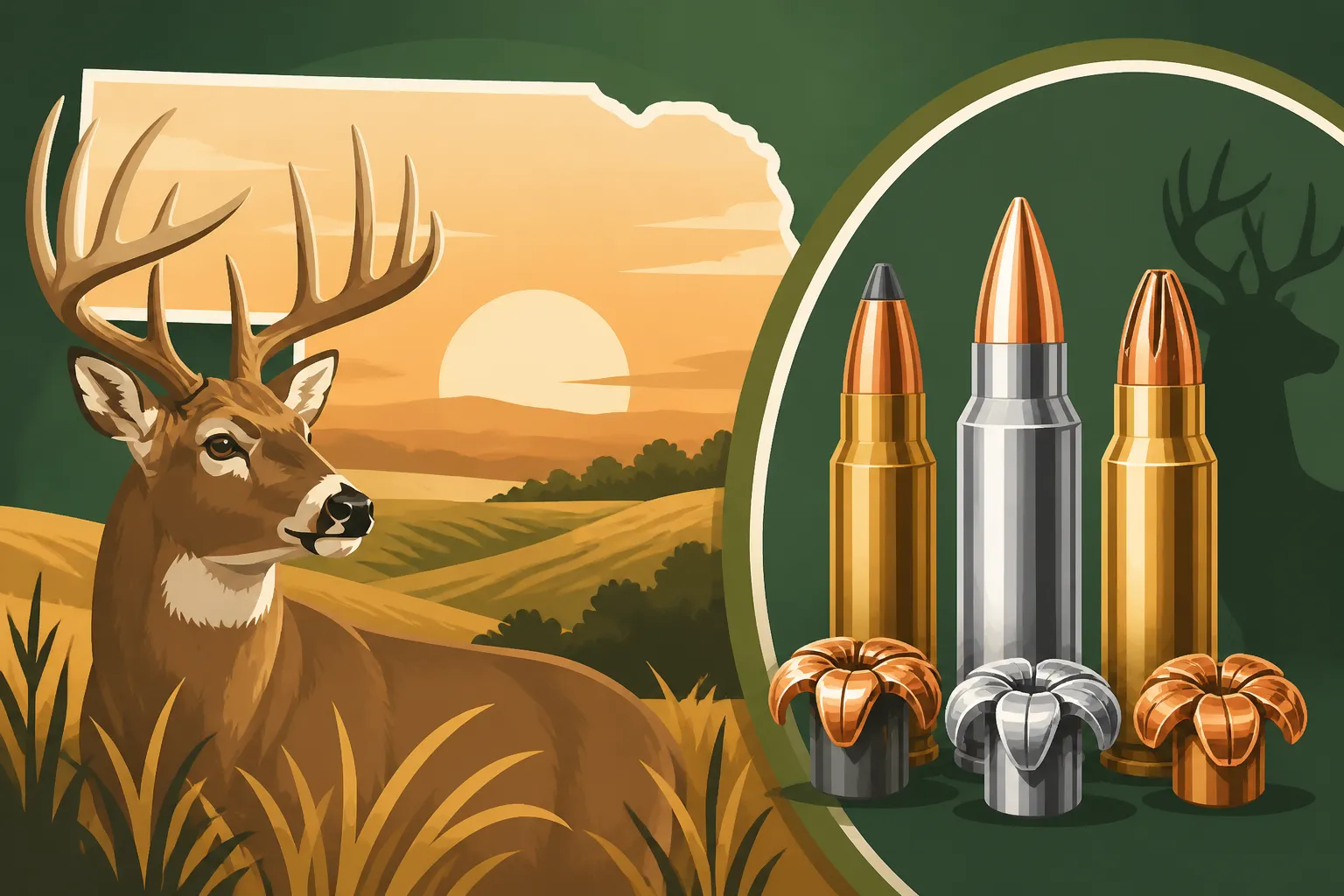
When most hunters think of lead-free ammunition, they're often thinking about copper solid bullets. These are projectiles made entirely or almost entirely of copper or a copper alloy. The design principle here is maximum weight retention and deep penetration. Unlike traditional lead-core bullets that often shed a significant portion of their mass through fragmentation upon impact, copper solids are designed to hold together.
Upon striking an animal, these bullets typically expand into a mushroom shape, creating a large wound channel while retaining almost all of their original weight. This characteristic leads to incredible penetration, often passing completely through the animal. This "pass-through" can be a huge advantage for creating good blood trails, making tracking much easier, especially if the deer doesn't drop in its tracks.
However, there are a few things to keep in mind. Copper bullets can sometimes be longer for their weight compared to lead-core bullets, which might require a different rifle twist rate for optimal stabilization and accuracy in some firearms. They also generally require a higher impact velocity to ensure proper expansion. This means you need to be mindful of your rifle's capabilities and your shooting distances. Always make sure to check your rifle's performance with these rounds at the range. While they may be a bit pricier per round, the performance and peace of mind they offer are invaluable to many deer hunters.
Other Non-Lead Alloy Designs
Beyond the pure copper solid, the world of lead-free ammunition is continually evolving, with manufacturers experimenting with various non-lead alloy designs. These can include bullets made from combinations of brass, bronze, or other proprietary alloys. The goal remains the same: to create a bullet that performs reliably and ethically without introducing lead into the environment or the harvested game.
These designs often seek to balance the advantages of copper solids – like deep penetration and weight retention – with sometimes different expansion characteristics or a potentially wider range of effective velocities. Some may incorporate different internal structures or external features to promote more reliable expansion across a broader spectrum of impact speeds.
The availability of these various non-lead alloy designs might vary more than the established copper solid options, so it pays to do your homework. You might find some niche manufacturers offering innovative solutions. Regardless of the specific alloy, the core benefit is the elimination of lead, ensuring that your hunting practices are as environmentally conscious and health-focused as possible. Just like with copper, proper testing at the range is paramount to ensure accuracy and terminal performance for your specific rifle and hunting conditions.
Ballistics and Performance Considerations
Switching ammunition isn't just about picking a different box; it's about understanding how that new projectile will perform from your specific firearm. Lead-free bullets, while highly effective, can behave differently from the traditional lead-core ammunition you might be accustomed to.
Terminal Performance and Energy Transfer
The way a bullet performs upon impact, often referred to as terminal performance, is crucial. Traditional lead-core bullets often transfer a significant amount of energy through fragmentation, creating a large, disruptive wound channel. Lead-free bullets, especially solid copper designs, typically retain most of their mass and penetrate deeply, creating a different kind of wound channel.
Because lead-free bullets often don't fragment as much, they rely on mechanical expansion and deep penetration to create tissue damage and disrupt vital organs. This means shot placement becomes even more paramount. While it’s always important to hit the vitals, with a non-fragmenting bullet, you're looking for clean pass-throughs that hit critical organs without relying on a "hydrostatic shock" effect from massive energy dumping. You want two holes: an entry and an exit wound. This creates a more efficient blood trail, which is incredibly helpful when tracking a deer across varied Nebraska terrain, whether it's through a cornfield or a cedar draw. Understanding this difference will help you adjust your aiming points slightly to maximize effectiveness.
Accuracy and Point of Impact Shifts
One of the most critical aspects of switching to any new ammunition is confirming its accuracy and point of impact. Even if two cartridges are the same caliber and appear similar, differences in bullet weight, length, construction, and propellant can significantly alter where the bullet strikes downrange. This is especially true when transitioning from lead-core to lead-free bullets.
Lead-free bullets, particularly copper solids, tend to be longer for their given weight compared to lead-core bullets. This difference in length can affect how the bullet interacts with the rifle's barrel twist, influencing stability and, consequently, accuracy. You absolutely must re-zero your rifle when making this change. Don't assume that because your previous lead-core ammo shot true, your new lead-free rounds will do the same.
Spend time at the range. Shoot multiple groups at various distances you expect to hunt at. Pay attention to group size and consistency. You might find that your rifle prefers a specific brand or bullet weight in lead-free options. This isn't just a recommendation; it's a non-negotiable step to ensure ethical and accurate shots in the field. After all, what good is the best ammunition if you don't know where it's going? For more on getting your rifle dialed in, check out Zeroing a Rifle for Open Country.
Availability and Cost
Let’s be realistic: lead-free ammunition can sometimes be a bit more challenging to find on store shelves, and it often comes with a higher price tag than conventional lead-core options. This is largely due to the materials used (copper can be more expensive than lead) and the specialized manufacturing processes involved.
The limited availability can be a frustration, especially if you wait until the last minute before deer season opens. It's a good idea to start your search well in advance, giving yourself ample time to find your preferred brand and bullet type. Online retailers often have a wider selection, but remember to factor in shipping costs and transfer fees if required.
While the upfront cost might seem higher per box, consider it an investment in ethical hunting, environmental stewardship, and peace of mind regarding the venison you consume. For many hunters, the benefits outweigh the extra expense. Plus, once you've found a lead-free load that your rifle loves and you trust its performance, you'll likely only be buying a few boxes a year for hunting and practice, making the cost difference less impactful in the long run.
Practical Tips for Switching to Lead-Free
Making the switch to lead-free ammunition doesn't have to be daunting. With a bit of planning and diligent practice, you can transition smoothly and confidently.
Researching Nebraska Regulations and Unit Specifics
While we've established that Nebraska doesn't currently have a statewide lead-free mandate for deer, it's always crucial to stay informed about potential changes or specific local regulations. Conservation efforts are dynamic, and rules can evolve, sometimes applying to particular public lands or during special hunts.
Before any hunt, make it a habit to check the most current Nebraska Game and Parks Commission regulations. They are the definitive source for all hunting rules. This ensures you're always in compliance, whether it's understanding Nebraska Deer Tagging and Checking Rules or Nebraska Legal Shooting Hours. Beyond statewide regulations, it's smart to dive into unit-specific information, especially if you're hunting public ground like a Wildlife Management Area or a National Forest. Some federal lands or even privately managed areas participating in public access programs might have their own guidelines.
This is where planning tools come in handy. Platforms like GoHunt can be incredibly useful for researching specific hunting units, understanding terrain, and identifying access points. While they might not explicitly list every single local ammunition rule, they help you get a comprehensive picture of your hunting area, prompting you to consider all factors, including local regulations that might influence your gear choices. Always cross-reference with official state publications for the most accurate and up-to-date information.
Testing and Familiarization
This cannot be emphasized enough: whenever you change ammunition, you must test it thoroughly. Your hunting rifle is a precision instrument, and even slight variations in bullet construction or propellant charge can alter its performance. Switching from a lead-core bullet to a lead-free one is a significant change, and your rifle's point of impact will almost certainly shift.
Head to the shooting range with your new lead-free ammunition. Start by re-zeroing your rifle at a common hunting distance, such as 100 or 200 yards. Once you're consistently hitting your mark, extend your practice to various distances, especially those you anticipate shooting at in the field. Practice shooting from different positions – off-hand, prone, from a bipod or shooting sticks – to get a real feel for how the new load performs in scenarios mimicking actual hunting conditions.
Pay attention to factors like recoil, muzzle report, and bullet trajectory. Understanding how your chosen lead-free bullet performs at different ranges will build your confidence and ensure you can make accurate, ethical shots when it counts. It’s not just about accuracy; it’s about becoming intimately familiar with your equipment. A confident hunter is a more ethical and successful hunter.
Shot Placement and Hunting Ethics
Regardless of the ammunition you choose, excellent shot placement remains the cornerstone of ethical hunting. Lead-free bullets, particularly those designed for deep penetration and minimal fragmentation, place an even greater emphasis on hitting the vitals precisely. While traditional lead-core bullets might offer a wider margin of error due to fragmentation, lead-free options rely on a clean pass-through of critical organs to achieve a quick, humane kill.
This means reinforcing your commitment to precise aiming. Focus on the heart and lung area, avoiding shoulder shots that might impede penetration, especially if you're using a lighter-for-caliber copper bullet. Take the time to ensure a steady rest, control your breathing, and squeeze the trigger smoothly. If the shot doesn't feel right, wait for a better opportunity.
Choosing lead-free ammunition is, in itself, an act of hunting ethics, demonstrating a commitment to minimizing environmental impact and ensuring clean meat. Coupling this choice with unwavering dedication to sharp shooting skills and responsible decision-making in the field ensures you are upholding the highest standards of sportsmanship. Remember, the goal is always a swift, humane harvest.
Disclaimer
This article is for general informational purposes only and does not constitute professional advice. Laws, prices and regulations vary by location and change over time. Consult a qualified professional for guidance on your specific situation.