Getting Private Land Permission in Nebraska
The dream of hunting big game or upland birds often conjures images of vast, untouched wilderness. In Nebraska, however, the reality for most hunters is that prime hunting ground is often in private hands. This can be a significant hurdle, leading to frustration and many missed opportunities. This guide is designed to help you navigate the often-tricky process of gaining permission to hunt private land, offering strategies, legal insights, and etiquette tips to increase your chances of success and build lasting relationships with landowners.
The Reality of Private Land in Nebraska: Challenges and Opportunities
Let's be honest, trying to find a place to hunt in Nebraska, especially for deer or pheasants, can feel like you're constantly running into "No Trespassing" signs. A huge percentage of our beautiful state is privately owned, whether it's vast cattle ranches in the Sandhills, row-crop operations in eastern Nebraska, or smaller timber plots along our river systems. This can be incredibly frustrating for hunters who don't have family land or existing connections. You scout online, find promising areas, drive out there, and boom – private land everywhere. It’s enough to make you consider just sticking to the crowded public lands.
But here’s the thing: private land isn't an impenetrable fortress. While it presents challenges, it also offers some of the best hunting opportunities available. Less pressure, better habitat management, and the potential for a truly unique experience are all on the table if you can get that coveted permission. It just takes a different approach than simply showing up.
Why Private Land Access Can Be Difficult
One of the biggest reasons landowners are hesitant to grant permission is the sheer volume of requests they receive, especially right before opening day. Imagine getting calls and knocks on your door constantly, often from people you don't know, who don't offer much beyond a handshake. Landowners also have legitimate concerns about liability, property damage, gates being left open, and ethical hunting practices. They've likely had bad experiences in the past, which makes them wary of new hunters.
It’s also important to remember that for many landowners, their property is their livelihood and their home. They might hunt it themselves, or have friends and family who do. They may also have specific wildlife management goals that casual hunting requests might disrupt. Understanding these perspectives is the first step toward overcoming the challenge. It’s not about them being mean or selfish; it’s about protecting what’s theirs and often, what sustains their family.
The Value of Private Land for Hunters
Despite the hurdles, securing private land access in Nebraska is incredibly valuable. It almost always means less hunting pressure compared to public areas, which can translate to less wary game. For species like pheasants, private land often holds excellent cover and food sources that are actively managed. For deer, undisturbed bedding areas and feeding patterns can lead to much more predictable movement and better opportunities for success.
Beyond the immediate hunting benefits, gaining private land permission can lead to long-term relationships that enrich your entire hunting experience. You might gain access year after year, build friendships with landowners, and even get involved in habitat improvement projects. These relationships are the backbone of hunting culture in many parts of Nebraska, and they offer a deeper connection to the land and its people than simply jumping from one public tract to another. Consider it an investment, not just a one-time transaction.
Understanding Nebraska's Trespass Laws
Before you even think about approaching a landowner, it is absolutely critical to understand Nebraska's trespass laws. Ignorance of the law is never an excuse, and violating these rules can lead to fines, loss of hunting privileges, and a permanent black mark on your reputation as a hunter. Plus, it just isn't neighborly. The laws are there to protect private property owners, and as hunters, we must respect them if we want to preserve our privilege to hunt.
Nebraska's rules on private land are quite clear: if land is legally posted, you cannot enter it without permission. Even if it's not posted, if it's private land, you need permission. It’s always best to assume land is private unless it’s clearly marked as public access. This proactive approach saves a lot of headaches and potential legal trouble. Getting caught trespassing will not only ruin your day but could also jeopardize your ability to hunt in the state in the future.
Posted Land and Implied Permission
Nebraska law specifically addresses posted land. For land to be considered legally "posted," it must have signs or markers that are visible from all points of entry and along property boundaries at certain intervals. These signs typically state "No Trespassing" or "Private Property." If you see these signs, there's no ambiguity: you need explicit permission to enter. Even if you don't see game, even if your dog runs onto it, you are responsible for knowing where you are and respecting those boundaries.
What about implied permission? This is where it gets a little gray, and frankly, it's best not to rely on it. Implied permission might arise in situations where a landowner has previously granted access without explicit verbal or written instruction each time, but this is a slippery slope. The safest and most respectful approach is always to seek explicit permission, preferably in writing or with a clear verbal agreement, every single time you intend to hunt a piece of private property. Never assume, never guess, always ask. This clarity benefits both you and the landowner. You can dive deeper into the specifics by reading about Nebraska's Posted-Land and Trespass Rules.
The Importance of Written Permission
While Nebraska law doesn't always require written permission for hunting, it is always highly recommended. A simple written note, signed by the landowner, outlining who can hunt, for what species, during what dates, and any specific conditions (like parking locations or areas off-limits) can prevent misunderstandings down the road. This protects both you and the landowner. Imagine a scenario where a new neighbor buys the land, or a different family member comes through and questions your presence. A piece of paper makes everything crystal clear.
This doesn't have to be a complicated legal document. A short, polite letter or card with the agreed-upon terms is usually sufficient. It shows the landowner you are serious, respectful, and organized. It's also a good idea to carry that written permission with you while hunting. If a game warden or another individual approaches you, you have immediate proof of your right to be there. This simple step can turn a potentially awkward encounter into a quick confirmation of your legitimate presence. You might also want to explore Do You Need Written Permission in Nebraska? for more details on this topic.
The Art of Asking: First Impressions and Etiquette
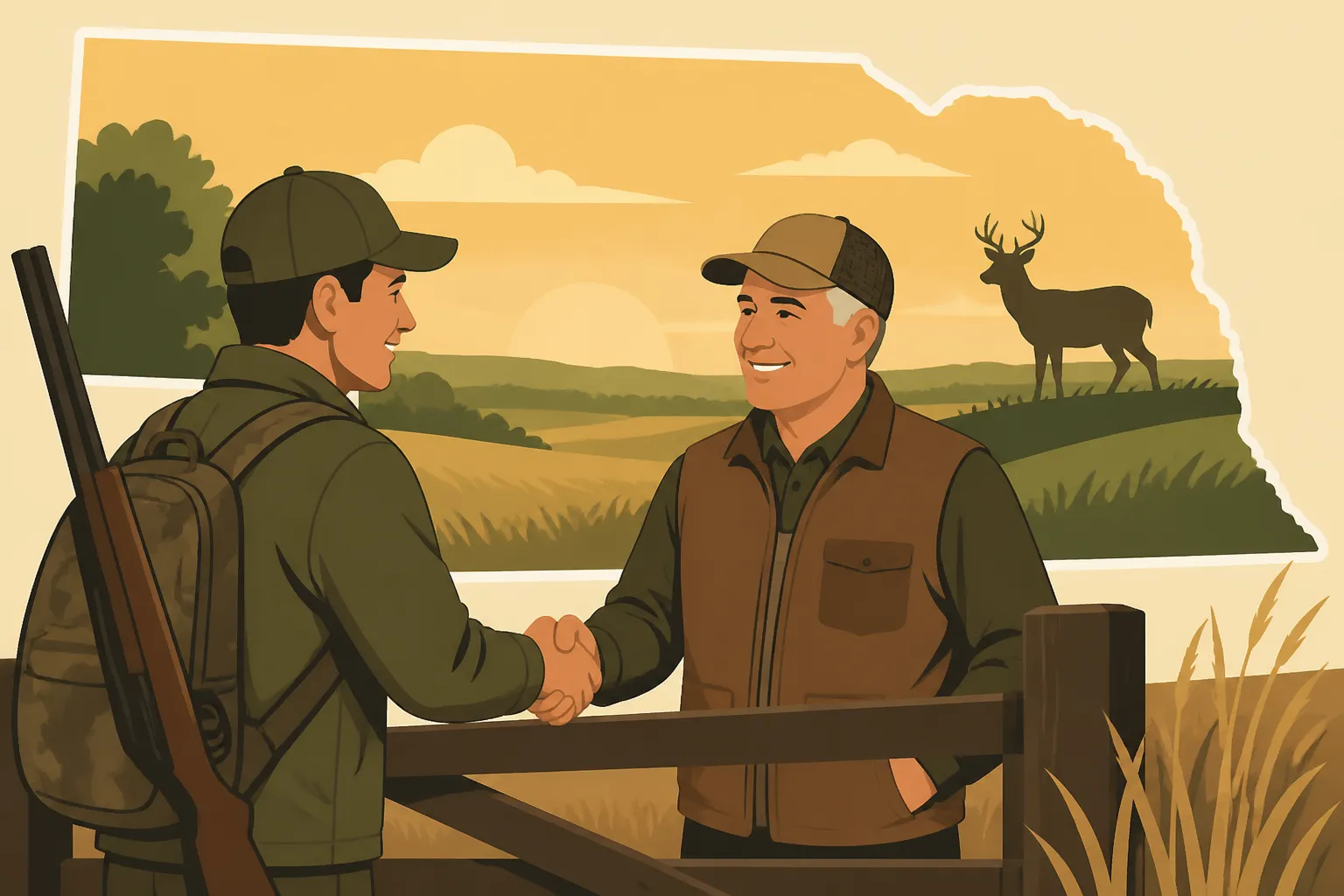
Okay, so you've done your homework, you know the laws, and you've identified a promising piece of land. Now comes the moment of truth: asking for permission. This isn't just a quick transaction; it's about making a positive first impression and starting a relationship. Many hunters simply knock on a door, stammer out a request, and get a quick "no." To stand out, you need a strategy that demonstrates respect, responsibility, and a genuine appreciation for the landowner's generosity.
Think of it like applying for a job: you wouldn't show up in dirty clothes with no resume and expect to get hired. The same goes for asking to hunt. Your demeanor, appearance, and the way you present your request can make all the difference. Remember, the landowner doesn't owe you anything, so approach the conversation with humility and genuine gratitude, regardless of the outcome.
Timing and Presentation
Timing is everything when approaching a landowner. Showing up on opening morning with your camo on and a gun in hand is almost guaranteed to get you a "no." Landowners are often busy, especially during planting and harvest seasons, and they're also getting bombarded by other hunters at peak times. Instead, try to approach them well in advance of the season – perhaps in late spring or summer for fall hunting. This shows foresight and respect for their time.
When you do approach them, choose a time when they don't look rushed. A weekday afternoon or early evening might be better than a busy Saturday morning. Dress neatly, not necessarily formally, but clean and presentable. A collared shirt and clean jeans are far better than ripped hunting clothes or a t-shirt. Park your vehicle somewhere that doesn't block their driveway or field access. A small gesture, like bringing a pie, a local treat, or offering to help with a chore, can sometimes break the ice, but the most important thing is simply showing genuine respect and courtesy.
What to Say and How to Listen
When you introduce yourself, be clear, concise, and polite. Start by stating your name, that you're a local hunter (or from a specific area if you're not local), and that you're interested in hunting their property. Avoid leading with "Can I hunt your land?" Instead, try something like, "Hello, Mr./Ms. [Last Name], my name is [Your Name]. I'm a hunter from [Your Town], and I've admired your property for a while. I was hoping to speak with you briefly about the possibility of bowhunting deer here this fall."
Be prepared to answer questions about your hunting style, how many people will be with you, your experience, and your commitment to safety. Offer to provide references if they like. Emphasize your respect for their property, your willingness to abide by their rules, and your commitment to leaving the land better than you found it. Most importantly, listen to their concerns. They might talk about specific areas they don't want disturbed, livestock, or gates. Acknowledge these concerns and explain how you will address them. This conversation is less about you selling yourself and more about you understanding their needs and finding common ground.
Tools and Strategies for Identifying Landowners
You can't ask for permission if you don't know who owns the land! This is where modern technology and a bit of old-fashioned legwork really shine. Gone are the days of just driving around hoping to see a mailbox with a name on it. Today, we have powerful tools at our fingertips that can drastically improve your odds of finding the right person.
One of the biggest frustrations for hunters is spotting a prime piece of habitat, only to realize they have no idea who to contact. This section will guide you through the process of researching ownership and making initial contact, ensuring you approach the right person with the right information. This preparation shows initiative and seriousness, qualities landowners often appreciate.
Using Mapping Apps and Public Records
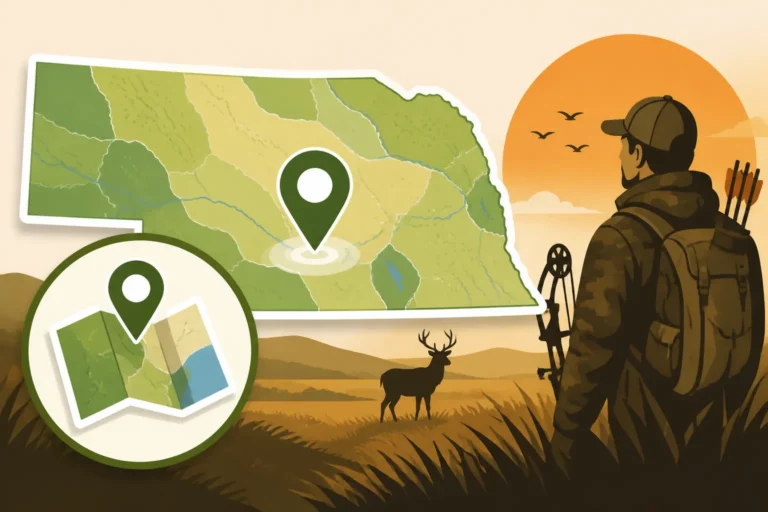
Modern mapping applications are an absolute game-changer for identifying property owners. Apps like onX Hunt have become indispensable tools for many hunters. With a subscription, you can see property boundaries, landowner names, and often even mailing addresses right on your phone or computer screen. This allows you to pinpoint the exact parcels you're interested in and know exactly who to contact. Similarly, other apps and services like GoHunt offer advanced mapping features that can provide valuable insights into land ownership and potential hunting opportunities.
Beyond these apps, county assessor's offices or register of deeds offices maintain public records of property ownership. Many counties in Nebraska have this information available online, allowing you to search by parcel number or address. This can be a bit more cumbersome than a hunting app, but it's a reliable backup. Once you have a name, a quick online search or even a call to the local post office might help you find a phone number or mailing address. Remember to be patient and persistent in your research.
| Resource Type | Information Provided | How It Helps Hunters |
|---|---|---|
| Hunting/Mapping Apps | Property lines, owner names, addresses | Quickly identify specific landowners to contact |
| County Assessor/Clerk | Property tax records, owner names | Confirm ownership, get mailing addresses for letters |
| Google Earth/Maps | Satellite imagery, road access | Scout terrain, identify access points remotely |
| Local Knowledge | Who owns what, reputations | Gain insights, find connections, avoid bad actors |
Knowing the landowner's name before you even make contact demonstrates professionalism and that you've put in the effort. It also helps you avoid knocking on the wrong door or trespassing unintentionally. You can read more about onX Layers for Nebraska Land Status to get a better handle on how these tools function. This digital legwork saves a lot of wasted time and gas.
Scouting for Key Terrain Features and Access Points
Before you even think about asking for permission, you need to scout the land, ethically and legally, from public roads or aerial maps. What are you looking for? Key terrain features that might hold game: pinch points, river bottoms, shelterbelts, thickets, food plots, or areas where different types of cover converge. Identify potential access points, like driveways or field entrances, and consider wind direction relative to these spots.
Using tools like Google Earth or even the basic satellite view on mapping apps can give you a fantastic overview. You can mark potential stand locations, observe field rotations, and get a feel for the lay of the land without ever stepping foot on it. This preparatory scouting allows you to have an informed conversation with the landowner, demonstrating that you’re not just looking for "a place to hunt," but that you've thought about how you would hunt their specific property. It also helps you talk about specific parts of the property if the landowner has concerns about certain areas. Knowing where mule deer might feed at first light or how whitetails bed in row-crop country can impress a landowner.
Building Long-Term Relationships with Landowners
Gaining permission to hunt isn't just about a single season; it's about fostering a relationship that can provide access for years to come. Many hunters treat permission like a one-time transaction, but the truly successful ones understand it's a partnership. A landowner who trusts and respects you is far more likely to grant permission again, and even recommend you to their neighbors. This isn't just good etiquette; it's strategic for consistent hunting access.
Think about it from the landowner's perspective: they want reliable, responsible people on their land. If you prove yourself to be that person, you become an asset, not just another request. This long-term thinking is what separates casual askers from those who consistently enjoy private land hunting opportunities.
Beyond the "Thank You": Offering to Help
A simple "thank you" is a good start, but going above and beyond can solidify your relationship. Offer to help the landowner with chores around the farm or ranch. This could be fixing a fence, moving hay bales, helping with small repairs, or even just offering an extra set of hands during harvest or planting season. Many landowners, especially older ones, could use the help, and your willingness to pitch in shows you're not just there for the hunting.
Even if they decline your offer of help, the gesture itself makes a huge impression. It communicates that you value their property and their time, and that you're willing to invest in the relationship. Small acts of kindness and assistance throughout the year, even outside of hunting season, can make a world of difference. You might also consider sharing some of your harvest, whether it's a few pheasants or a package of venison. This tangible token of appreciation often goes a long way.
Consistent Communication and Updates
Communication shouldn't end once you get permission. Keep the landowner informed about your activities. Let them know when you plan to be on their property and for how long. If you see anything unusual – a broken fence, sick livestock, or suspicious activity – report it to them immediately. You are their eyes and ears when you are out there, and this kind of vigilance is invaluable to them.
After your hunt, follow up with a quick thank-you note or phone call. Let them know how your hunt went, if you harvested anything, and reiterate your appreciation. This open line of communication builds trust and shows respect. It also means that if an issue does arise, they'll feel more comfortable coming to you, and you'll have a chance to address it promptly. This consistent engagement makes you a trusted friend, not just a seasonal visitor.
Navigating Hunting Leases and Other Formal Agreements
While many private land access opportunities in Nebraska come through informal permission, more and more landowners are opting for formal hunting leases. This can be a good option for both parties, providing clear expectations, financial compensation for the landowner, and guaranteed access for the hunter. However, entering into a lease agreement requires careful consideration and a clear understanding of the terms.
A lease isn't just a handshake; it's a legal contract. It's crucial to approach this with the same due diligence you would any other significant agreement. For some hunters, especially those looking for consistent, high-quality access for multiple seasons or a group, a lease can be a fantastic solution. For others, the cost and commitment might not be the right fit.
What to Expect in a Hunting Lease
A typical hunting lease agreement will outline several key elements:
- Duration: How long is the lease valid (e.g., one season, one year, multiple years)?
- Cost: The agreed-upon fee for access. This can vary widely depending on the acreage, game species, and demand.
- Permitted Activities: What can and cannot be done on the land (e.g., hunting specific species, ATV use, food plots, camping).
- Number of Hunters: How many individuals are covered by the lease.
- Liability: Often includes clauses protecting the landowner from liability in case of accidents. This is a big one for landowners and something you should thoroughly understand. Liability Protection for Enrolled Landowners is a good article to review, even if it covers a different context.
- Specific Rules: Any particular requests from the landowner, such as gate protocols, off-limit areas, or harvesting restrictions (e.g., antler point restrictions for deer).
Always read the lease agreement thoroughly, ask questions, and make sure everything is clearly understood before signing. Don't be afraid to negotiate terms that might not work for you or your group. A good lease benefits both parties.
Pros and Cons of Leasing Land
There are definite advantages to entering into a hunting lease. For hunters, it provides guaranteed, exclusive access to a specific property, often with less competition and potentially higher quality game. It offers stability, allowing you to invest in scouting, stands, or blinds without fear of losing access next season. It also removes the uncertainty of asking for permission each year. You can learn more about general pricing by looking into Nebraska Hunting Lease Costs.
However, leasing also comes with drawbacks. The most obvious is the cost, which can be substantial, especially for prime ground. There's also a significant commitment involved. You're locked into that property for the lease term, regardless of hunting conditions or personal changes. You also become responsible for upholding the terms of the agreement, which might include specific maintenance or reporting requirements. It's a formal agreement with legal implications, so be sure it's the right choice for your hunting goals and budget.
Common Mistakes to Avoid When Seeking Permission
It's easy to get discouraged when seeking private land permission, especially if you're hitting dead ends. But often, hunters unwittingly make mistakes that hinder their chances before they even get a foot in the door. Learning from these common pitfalls can significantly improve your success rate and prevent you from burning bridges with potential landowners.
Remember, every interaction with a landowner, even if it doesn't result in permission, is an opportunity to learn and refine your approach. A "no" today doesn't have to mean "no" forever, but a bad impression might. Avoiding these common errors is key to maintaining a positive reputation and maximizing your chances.
The "Last Minute" Approach
Perhaps the most common mistake is waiting until the last minute. Showing up a week before deer season opens, or worse, on opening day itself, screams "desperate" and "unprepared." Landowners are typically overwhelmed with requests at these times, and your chances of success plummet. This also implies you haven't put much thought or effort into your hunt, which doesn't inspire confidence.
Instead, start your efforts months in advance. For fall hunting, begin scouting and identifying landowners in the spring or early summer. This demonstrates foresight and respect for the landowner's time. It also allows you to have a relaxed, unhurried conversation, rather than a rushed plea. The early bird truly does get the worm (or the permission slip) in this scenario.
Poor Presentation and Lack of Respect
Rolling up in a beat-up truck, leaving trash in their driveway, or dressing sloppily sends a clear message: you don't care about appearances, and by extension, you might not care about their property either. This is a huge turn-off for landowners who are entrusting you with their valuable land. Showing up unannounced during a busy time, or being rude if permission is denied, also falls into this category.
Always be polite, courteous, and respectful, even if you're met with a "no." A simple, "Thank you for your time, I understand," can leave a much better impression than arguing or showing frustration. Remember, landowners talk to each other. A good reputation spreads, but a bad one spreads faster. How you interact with one landowner can impact your chances with others in the area.
Not Having a Clear Plan or Asking Too Much
Many hunters ask for permission without having a clear plan for how they intend to hunt. "Can I just hunt deer here?" is vague. Landowners want to know details: what species, what weapon (archery, rifle, muzzleloader), how many hunters, specific dates or times, where you'll park, and how you'll access the property. Having a well-thought-out plan shows responsibility and consideration.
Equally problematic is asking for too much – requesting access for an entire hunting camp with multiple vehicles and ATVs right off the bat, or expecting exclusive access to a huge tract for free. Start small, be flexible, and build trust. Perhaps ask for archery deer permission first, or just for a day or two to hunt pheasants. Once you've proven yourself, you can always ask for more extensive access in subsequent seasons. This incremental approach often yields better long-term results than an overzealous initial request.
What to Do When You Can't Get Private Land Access
Even with the best strategies and intentions, there will be times when private land access just isn't possible. This can be deflating, but it's crucial not to let it derail your hunting season. Nebraska offers a surprising amount of public hunting opportunities if you know where to look and how to adapt your approach. Don't throw in the towel just because one door closed.
The key is to be resilient, resourceful, and willing to put in the legwork. Many hunters overlook public land because they assume it's too crowded or doesn't hold quality game. While it certainly requires different tactics, public ground can provide fantastic experiences and harvests for those willing to learn its secrets.
Exploring Nebraska's Public Hunting Lands
Nebraska has a variety of public hunting areas, from state Wildlife Management Areas (WMAs) to federal lands like National Forests and Grasslands, and even lands managed by the Army Corps of Engineers. Additionally, the Open Fields and Waters (OFW) program enrolls private land for public access, providing thousands of acres for hunting. This program is a fantastic resource for hunters who don't have private land connections. You can learn more about How Many Acres Nebraska Opens to Hunters to get a sense of the scale.
The most important tool for navigating these public lands is The Nebraska Public Access Atlas. This annual publication, available online and in print, details all public and public-access lands across the state. It's your roadmap to hunting opportunities. Be prepared for company on public land, especially during peak seasons, but don't let that deter you. Often, simply walking a little further from parking areas can put you into less pressured zones. This is where Scouting Nebraska Public Ground Before Opening Day becomes critical.
Adapting Tactics for Public Ground
Hunting public land often requires a different mindset and different tactics than hunting private land. Expect more pressure and adjust accordingly. This might mean hunting mid-week, focusing on overlooked pockets of cover, or being willing to walk much further than others. For deer, look for bedding areas that are difficult to access, or focus on fringes and transition zones that other hunters might ignore.
For upland birds, consider less popular public tracts or hunt later in the season when crowds have thinned. Pay attention to wind direction on open Nebraska prairie stands and use terrain to your advantage. Ground blinds in open Nebraska country can be effective on public land too. Persistence and adaptability are your best friends on public ground. Remember, deer and birds still need to eat, drink, and sleep, regardless of human presence. Find those necessities in overlooked spots, and you'll find game.
Making the Most of Any Opportunity
Regardless of whether you're hunting private land or public, the goal remains the same: to enjoy the experience, hunt ethically, and hopefully, harvest some game. The journey to securing private land permission is often a test of patience, persistence, and people skills. But the rewards – access to quality hunting, meaningful relationships, and a deeper understanding of the land – are well worth the effort.
Even if you only secure permission for a small tract, treat it like gold. Respect the landowner's property as if it were your own, follow all rules, and leave no trace. Your conduct reflects not just on you, but on all hunters. By being a responsible and respectful hunter, you help preserve the future of private land access for everyone in Nebraska.
Celebrating Small Victories and Learning from Every Experience
Don't measure success solely by a filled tag or a sprawling property. Celebrate the small victories: the successful phone call, the polite conversation, the "maybe next year" that keeps a door open. Every interaction is a learning experience, an opportunity to refine your approach for the next time. Did the landowner seem concerned about liability? Next time, emphasize your insurance. Did they mention cattle? Highlight your awareness of livestock.
Even if you get a definitive "no," thank them sincerely for their time. You never know when circumstances might change, or when that landowner might remember your polite demeanor and recommend you to a neighbor. Building a reputation as a respectful, responsible hunter is your most valuable asset in the quest for private land access in Nebraska.
Maintaining Ethics and Safety Above All Else
Whether on private or public land, your ethical conduct and commitment to safety must always be paramount. Adhere to all hunting regulations, practice safe firearm handling, and always be mindful of your surroundings and other people. This includes things like proper Field Dressing and Cooling Game in Warm Weather or ensuring you're aware of Orange Rules That Apply During Archery Season. These aren't just rules; they are the foundation of responsible hunting.
On private land, ethical behavior also extends to respecting the landowner's specific wishes. If they ask you not to drive in certain fields, don't. If they prefer you only shoot specific animals, honor that request. Your adherence to these principles not only ensures your own safety and reputation but also contributes to the positive perception of hunters in the community, making it easier for everyone to find access in the future.
Disclaimer
This article is for general informational purposes only and does not constitute professional advice. Laws, prices and regulations vary by location and change over time. Consult a qualified professional for guidance on your specific situation.